

 17 – 18 March 2025, New Delhi
DAY 1 | 17 March 2025
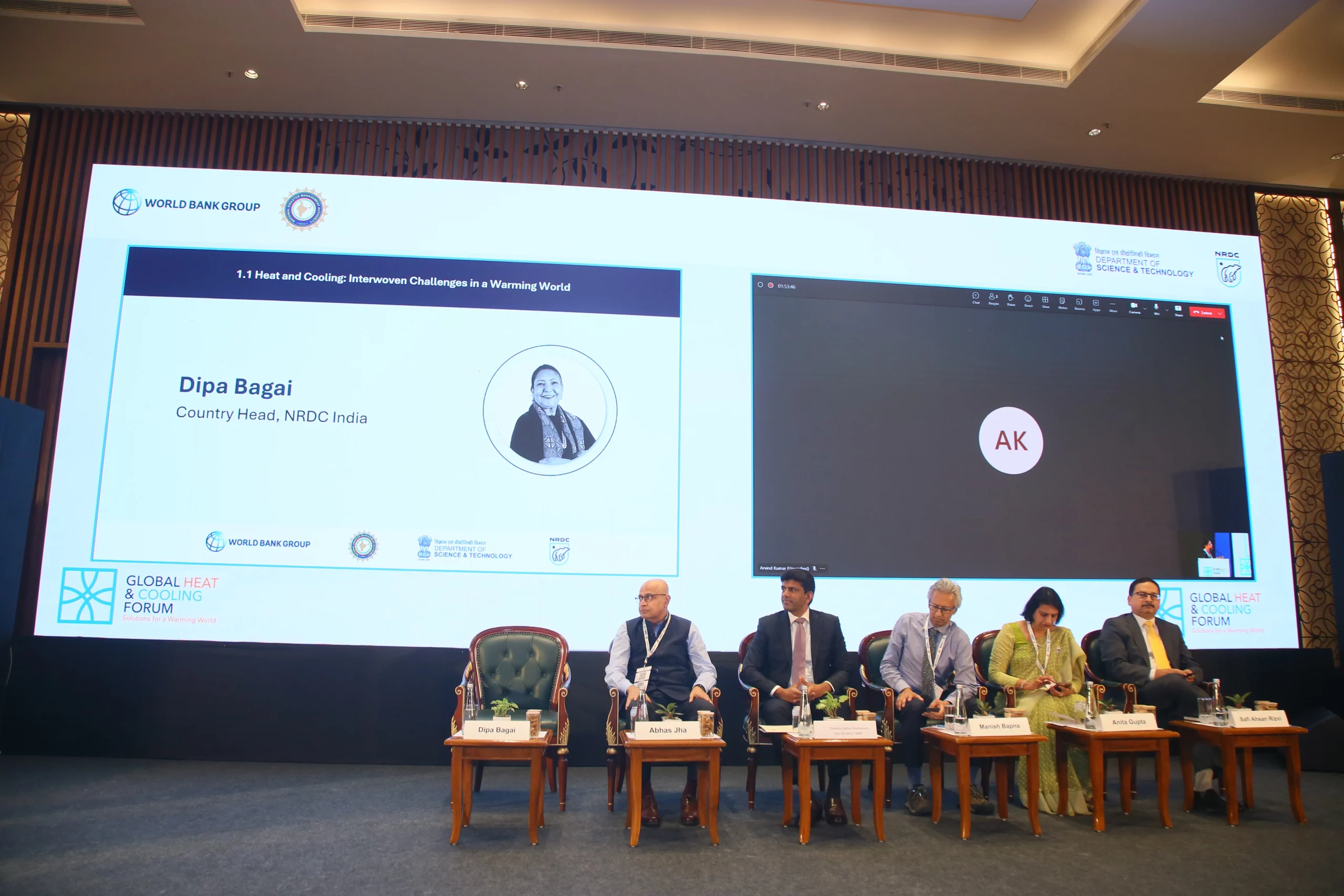
Session 1: Inaugural - The Urgency of Integrated Heat and Cooling Solutions.
The inaugural session highlighted the growing urgency of integrated, cross-sector solutions to address extreme heat and cooling challenges amid record-breaking temperatures and intensifying climate projections.
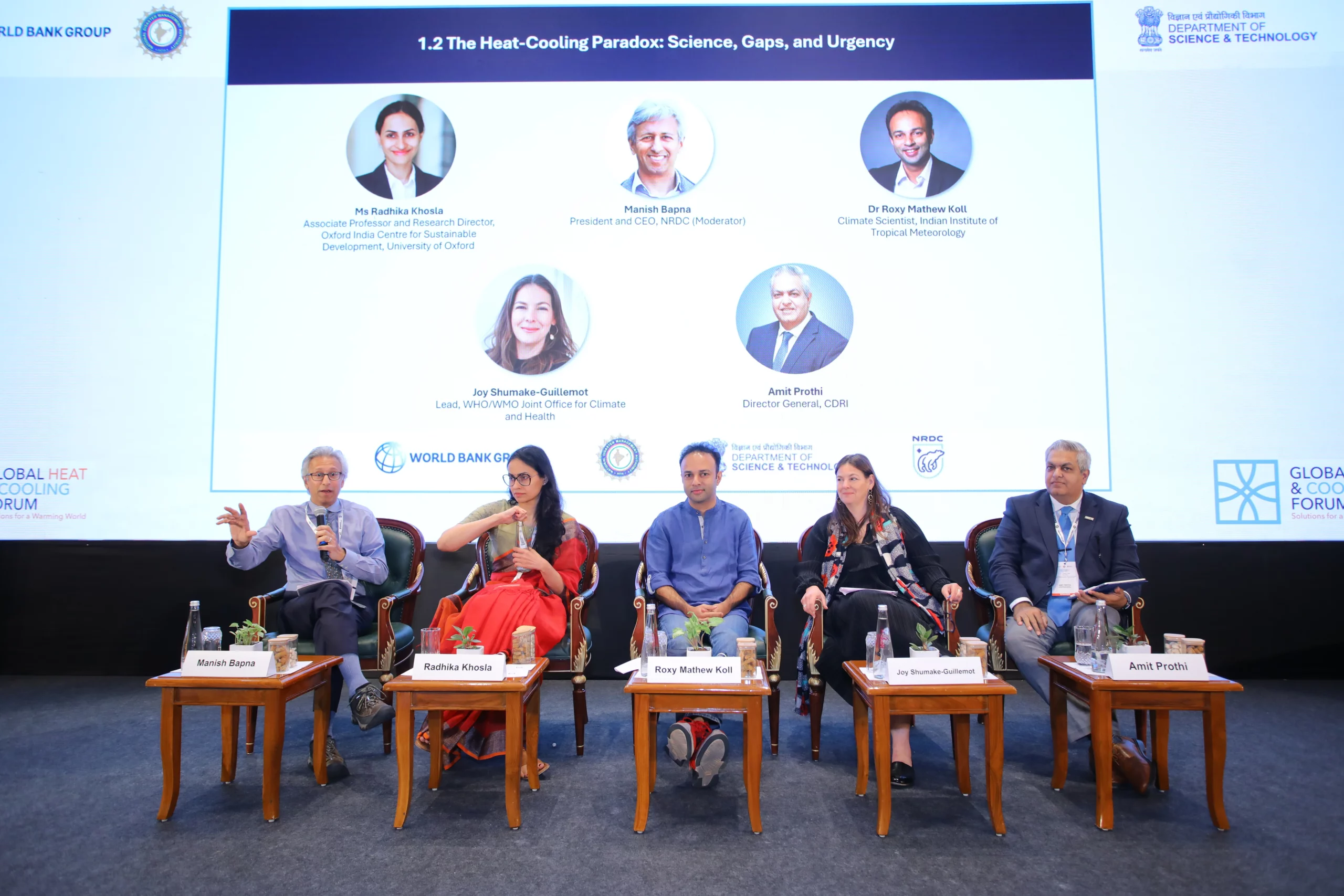
Session 2: The Heat-Cooling Paradox – Science, Gaps, and Urgency.
Speakers examined the science of extreme heat—the deadliest climate risk – and emphasized sustainable cooling pathways including passive design, refrigerant phase-out, energy efficiency, and clean power systems.
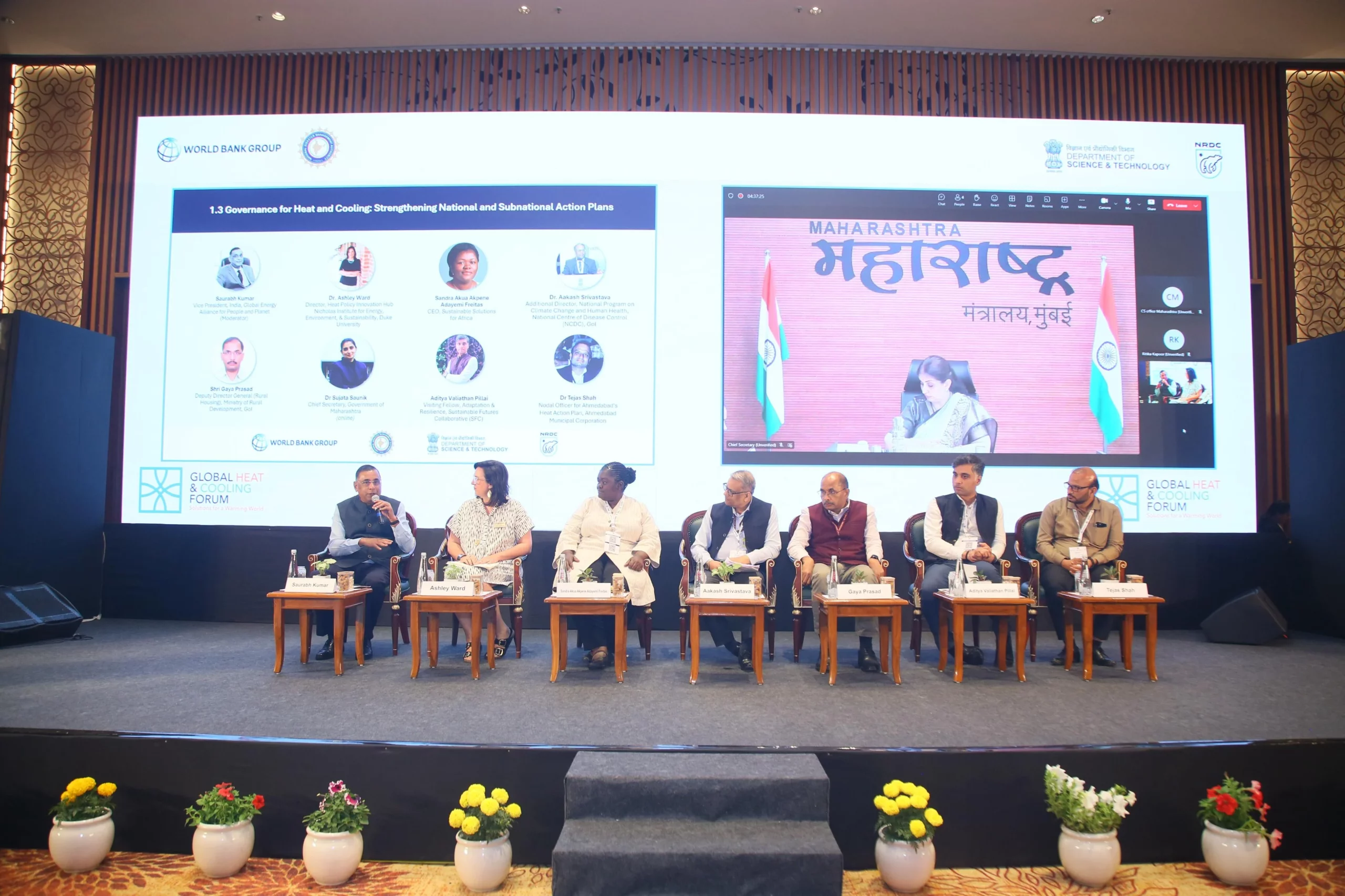
Session 3: Governance for Heat and Cooling, Strengthening National and Subnational Action Plans.
The session emphasized that heat is a long-term development challenge requiring localized heat action plans, stronger data systems, accountability, and improved policy coordination.
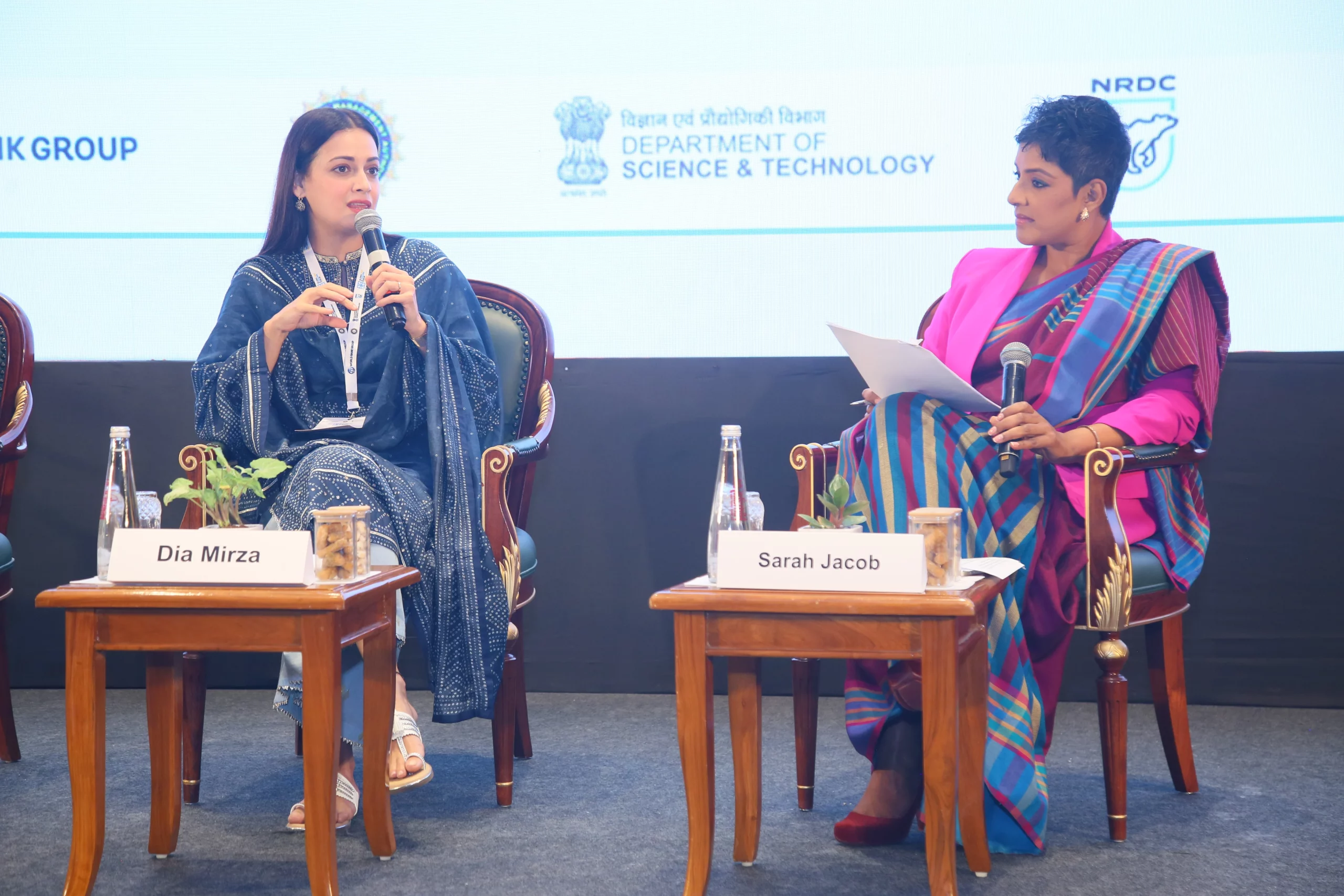
Session 4: Rising Heat, Rising Hope Building Climate Resilience for All.
Panelists highlighted locally driven solutions—from school gardens to participatory greening—and emphasized youth engagement, financial access, and community trust in advancing heat resilience.
DAY 2 | 18 March 2025
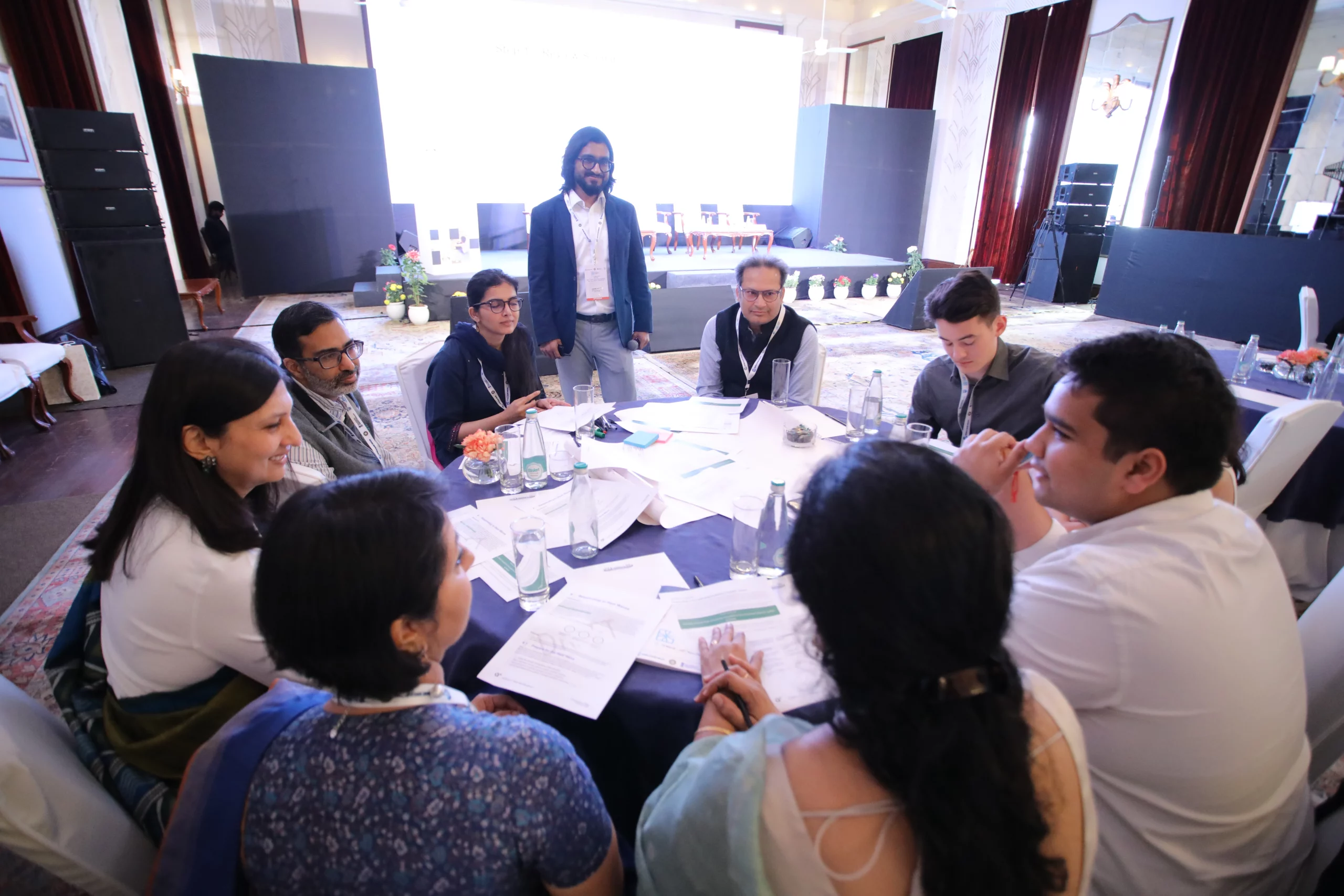
Session 1: Discussion on the World Bank’s Urban Heat Handbook.
Participants emphasized that urban heat guidance must be practical, adaptable to local contexts, and designed for real-world implementation.
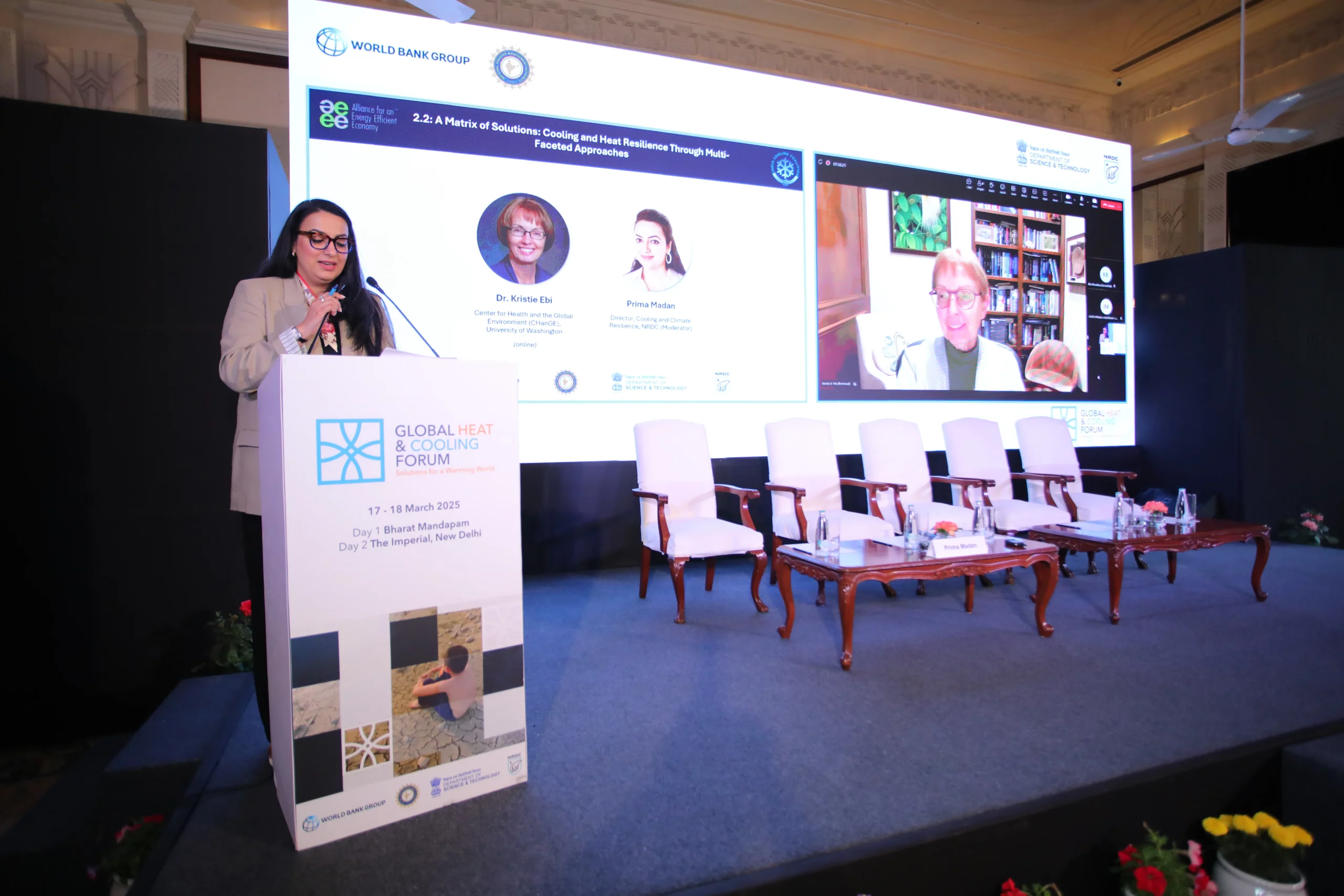
Session 2: A Matrix of Solutions: Cooling & Heat Resilience Through Multifaceted Approaches.
The keynote called for moving beyond early warnings toward sector-specific actions supported by strong government mandates and multi-level coordination.

Session 2 (Theme 1): Urban Design, Built Environment, and Technology.
Speakers highlighted the need to complement cooling technologies with demand-side reforms, policy enforcement, and passive cooling in housing and urban design.
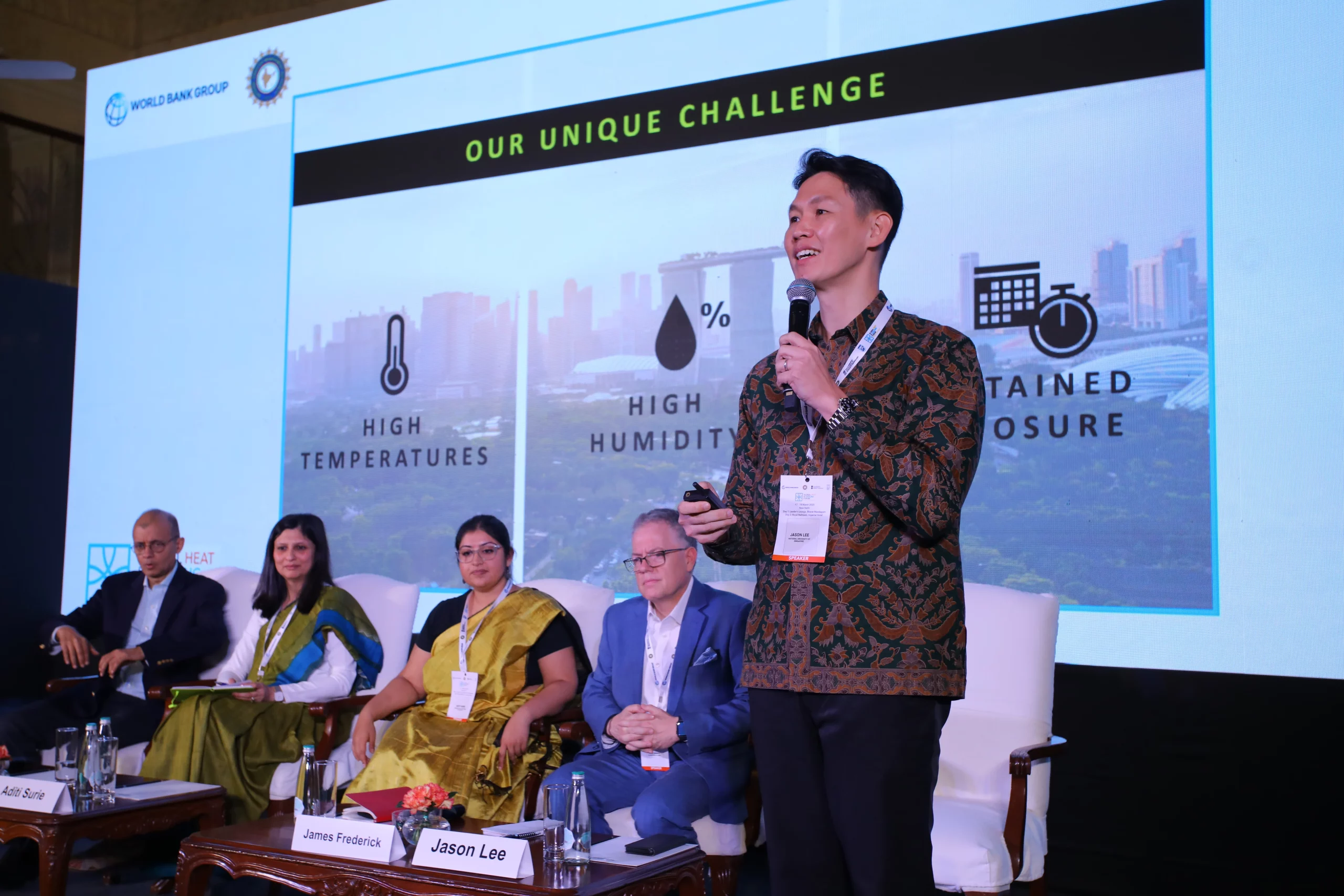
Session 2 (Theme 2): Resilient Workforce.
The discussion focused on protecting informal workers through measures such as rest, hydration, and education to reduce heat risks and sustain productivity.
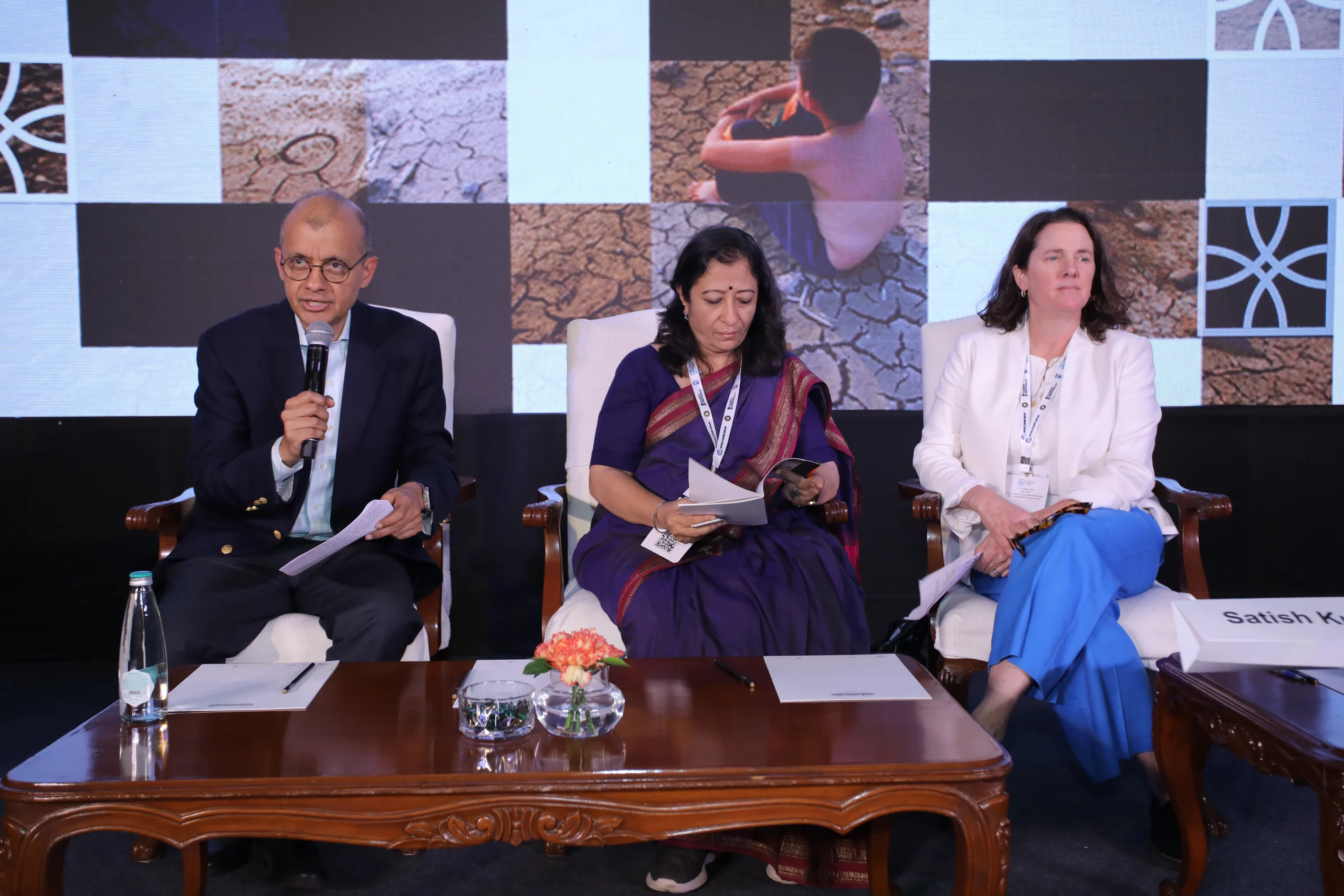
Session 2 (Theme 3): Community Engagement & Information Dissemination.
The session highlighted women-led, community-driven approaches that combine affordable solutions with grassroots advocacy to drive heat action.
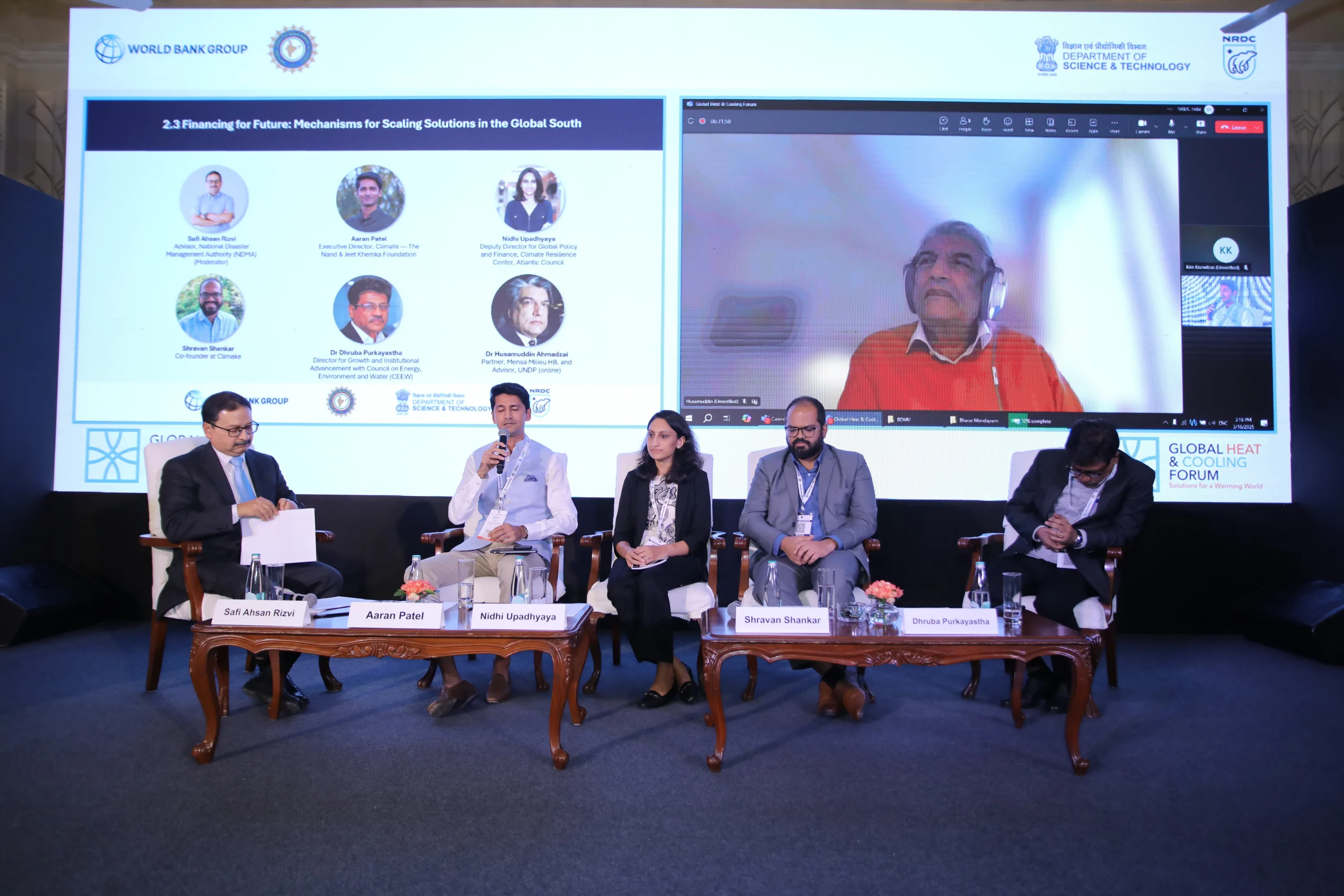
Session 3: Financing the Future – Mechanisms for Scaling Heat Resilience & Cooling Solutions in the Global South.
Panelists discussed innovative financing for heat adaptation, emphasizing the need to close the funding gap between mitigation and resilience efforts.
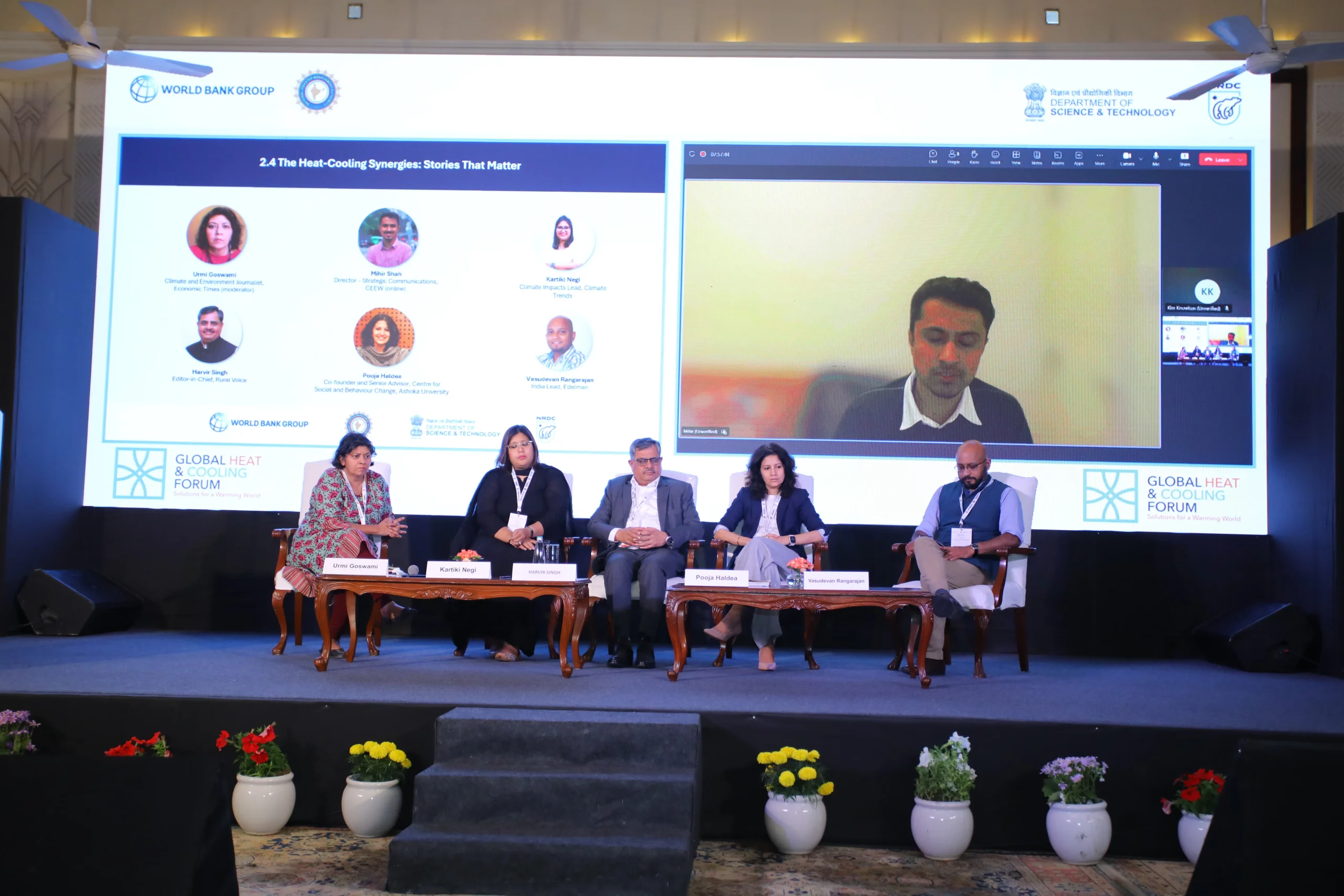
Session 4: Heat-Cooling Synergies: Stories That Matter.
Speakers stressed the importance of solution-focused climate storytelling and consistent, accessible communication to bridge knowledge gaps.
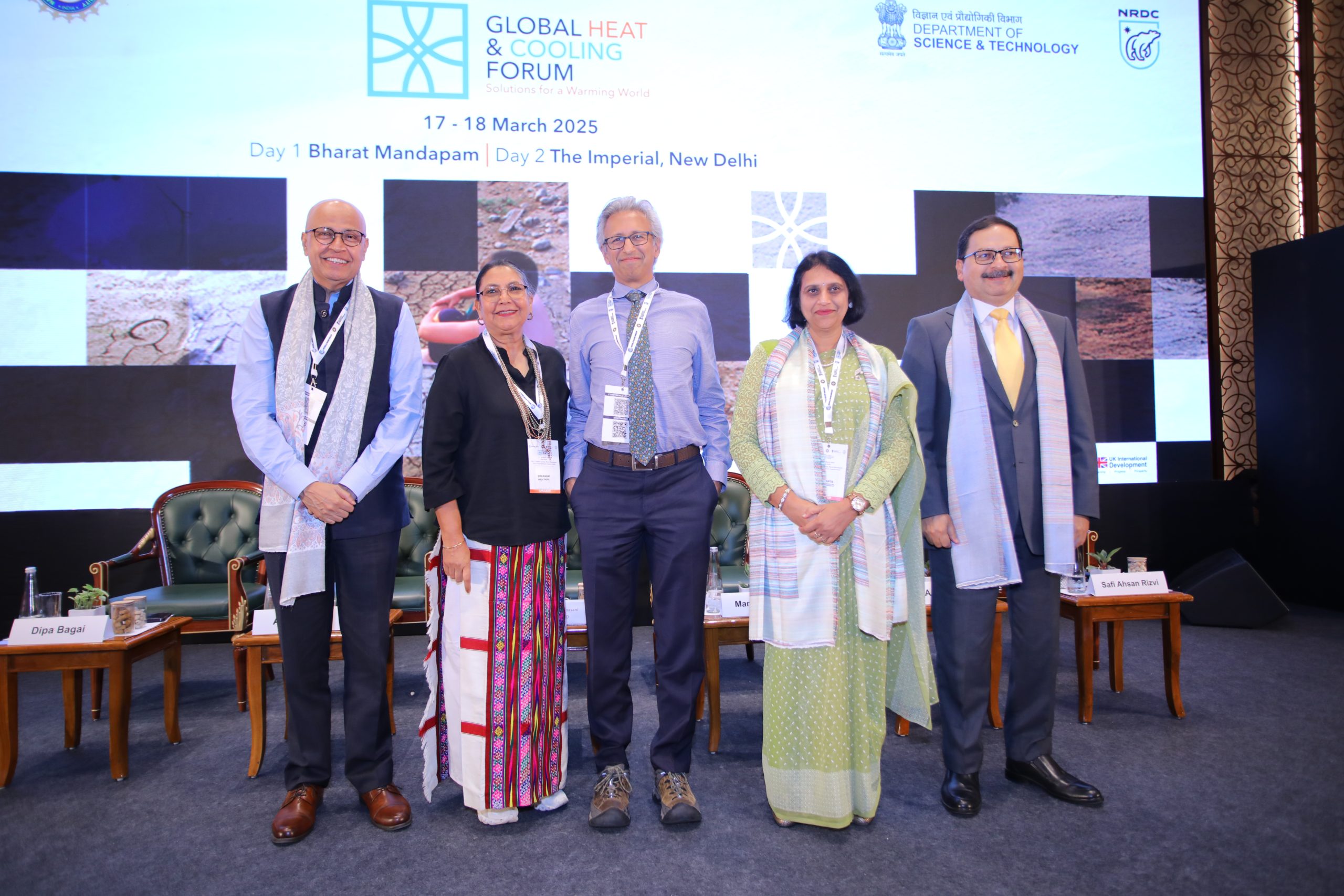
Session 5: Toward the Global Heat & Cooling Forum 2026.
The closing session underscored the importance of inclusive governance, local solutions, and cross-sector collaboration in advancing global heat and cooling action.