

 17 – 18 March 2025, New Delhi
DAY 1 | 17 March 2025
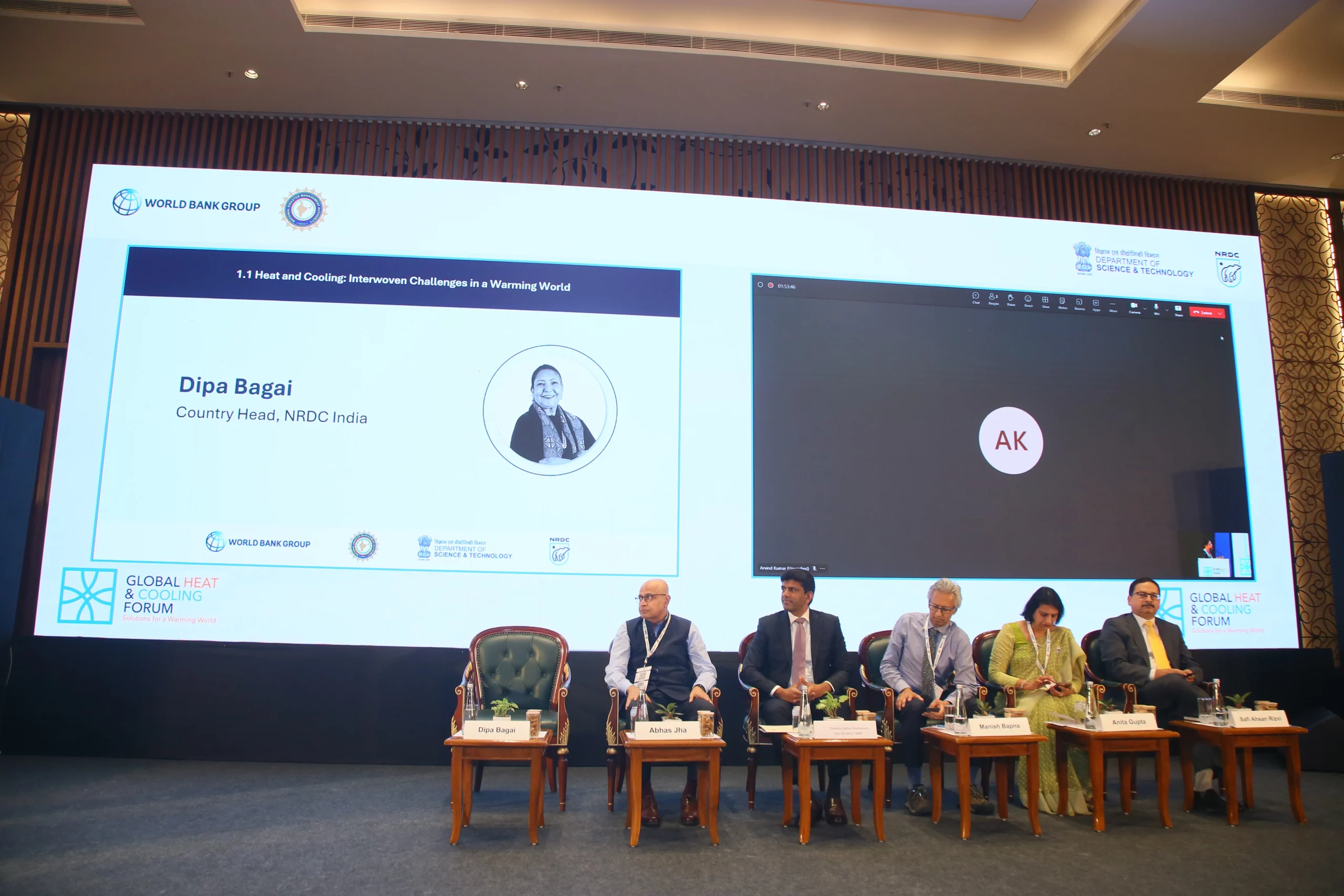
Session 1: Inaugural - The Urgency of Integrated Heat and Cooling Solutions.
The inaugural session called for integrated, multi-sectoral responses to intensifying heat, framing cooling access as a necessity rather than a luxury amid a widening Heat Divide. Speakers explored passive and active cooling strategies, the localization of Heat Action Plans, and rural resilience, with a call for greater policy integration, financing, and knowledge-sharing.
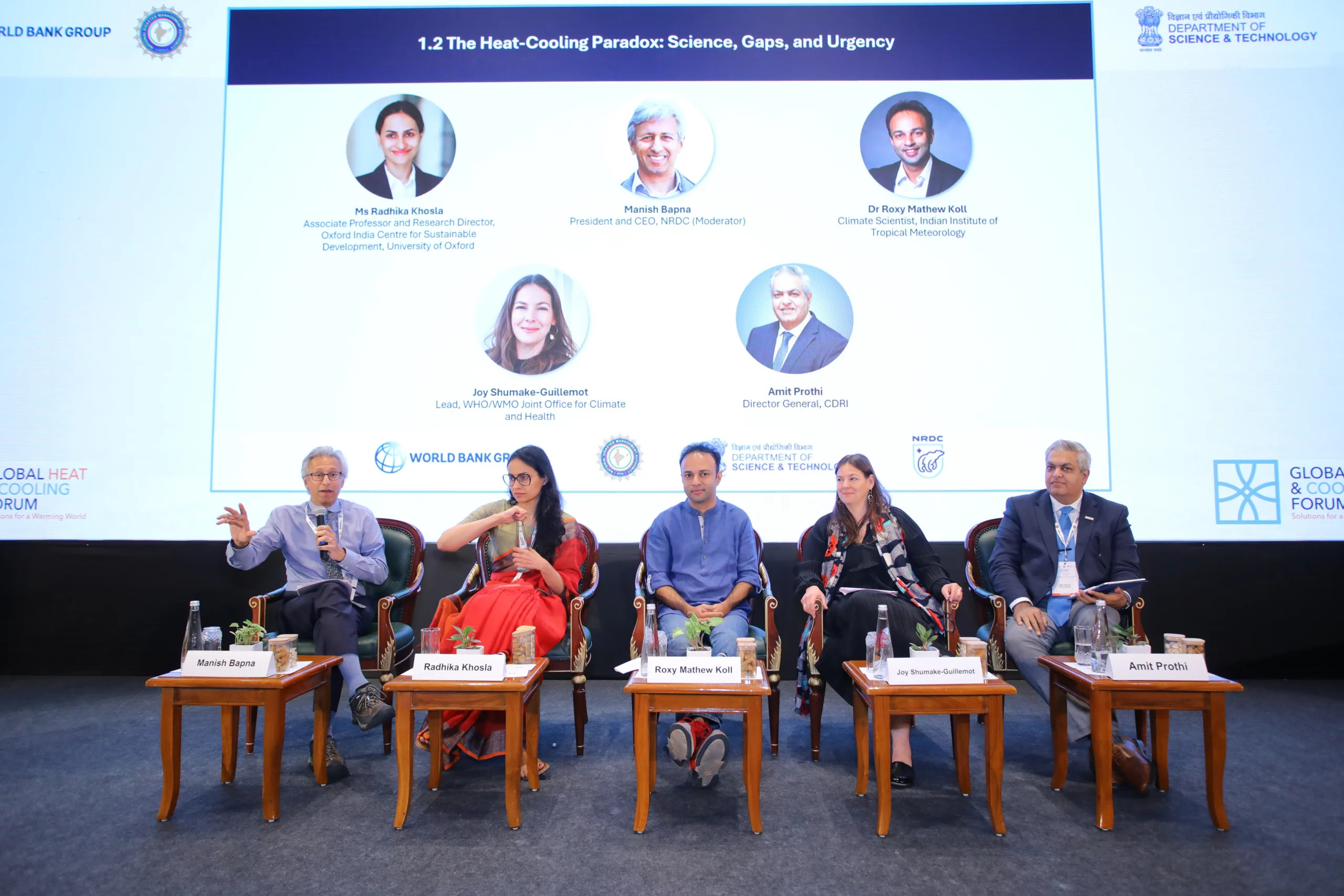
Session 2: The Heat-Cooling Paradox – Science, Gaps, and Urgency.
Speakers examined the science of extreme heat—the deadliest climate risk—and emphasized sustainable cooling pathways including passive design, refrigerant phase-out, energy efficiency, and clean power systems. The session stressed that heat adaptation should not be a seasonal effort but embedded into year-round policies.
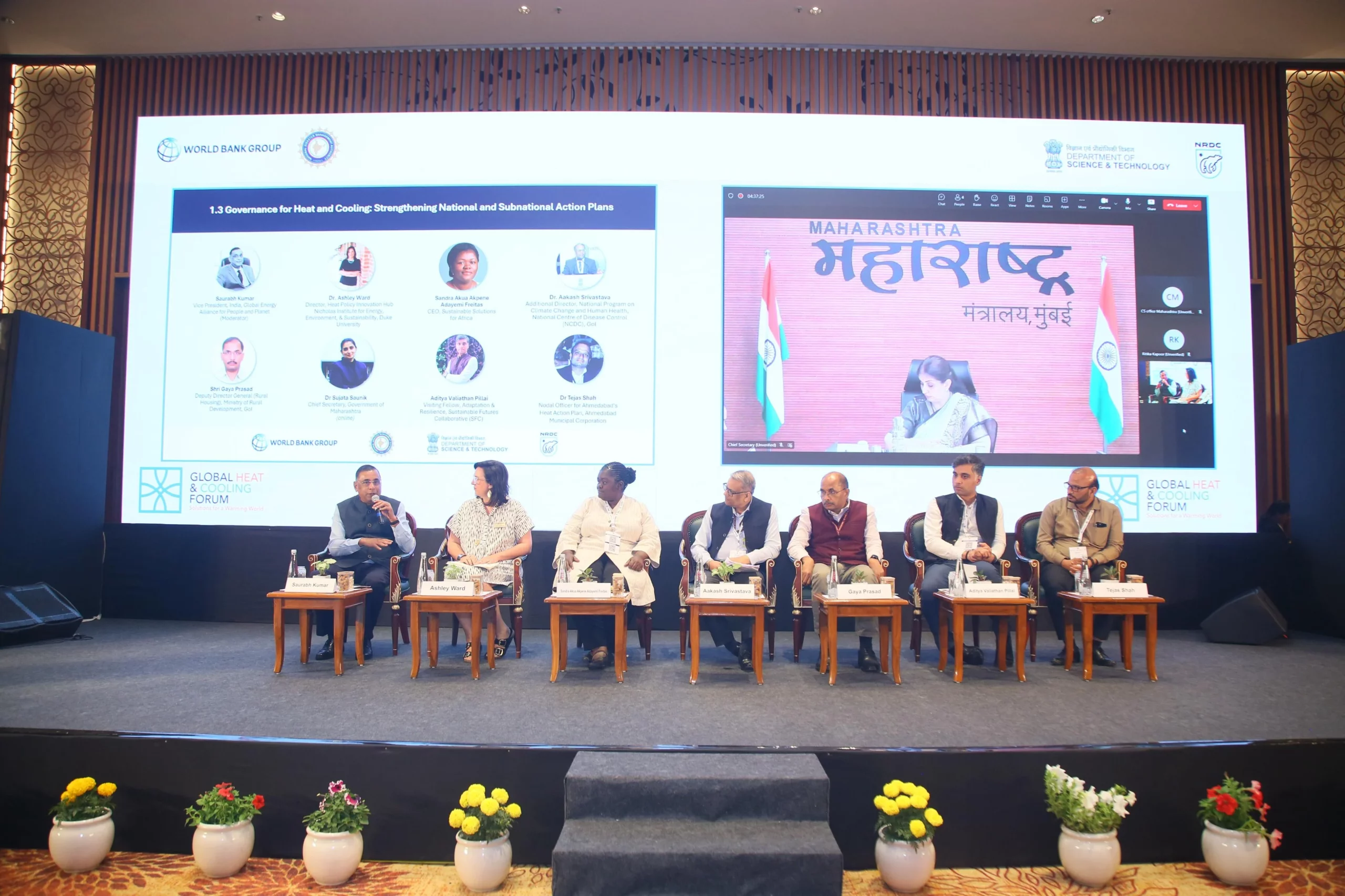
Session 3: Governance for Heat and Cooling, Strengthening National and Subnational Action Plans.
The session emphasized that heat is a long-term development challenge requiring localized heat action plans, stronger data systems, accountability, and improved policy coordination. It was highlighted that no single department can manage heat resilience alone, emphasizing the need for multi-partner collaboration.
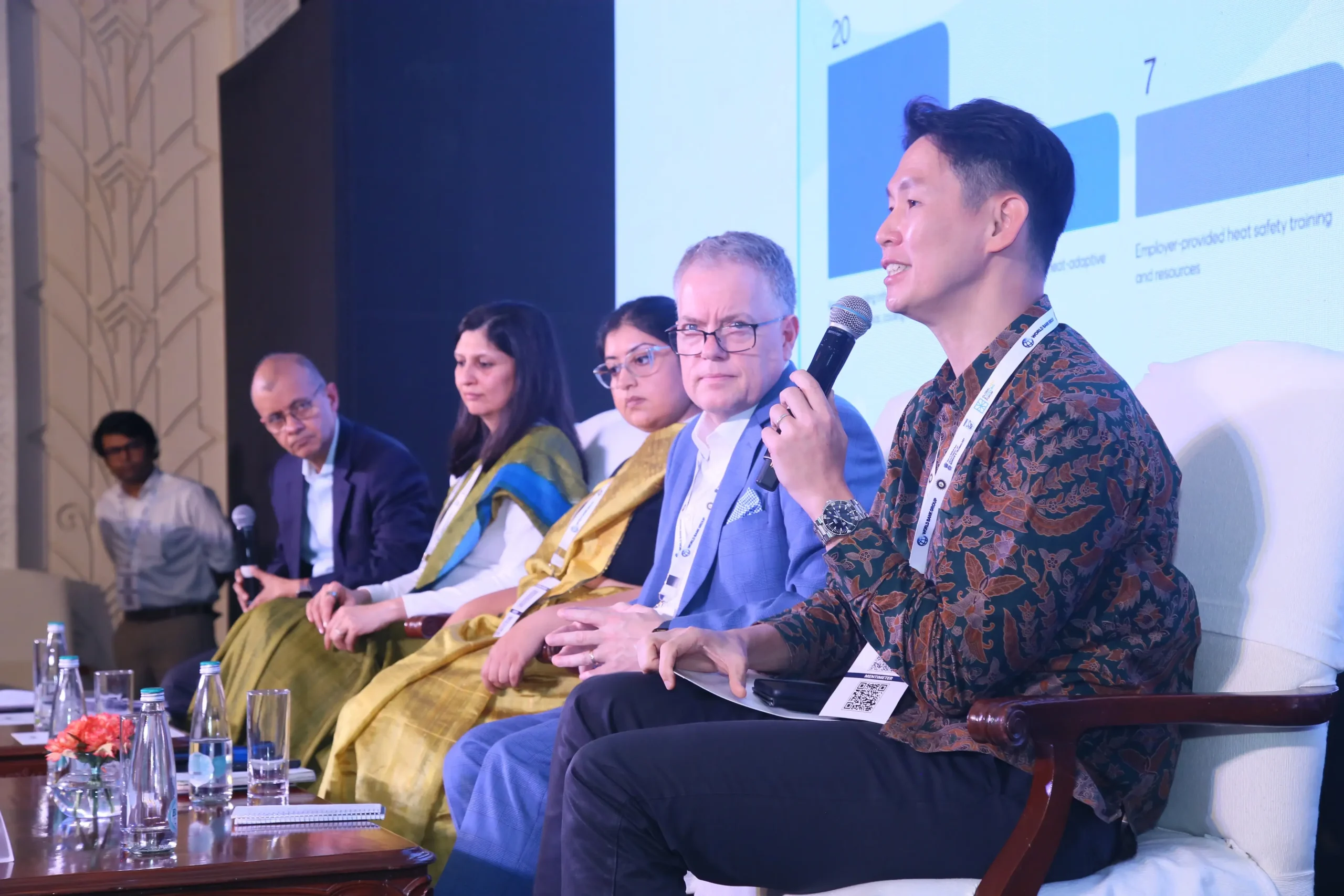
Session 4: Simplifying Climate Science
This session helped make the language and science of climate change more accessible and created a common ground of understanding. Speakers translated complex climate science into accessible language, highlighting heat as one of several interconnected climate risks affecting health, livelihoods, and resilience.
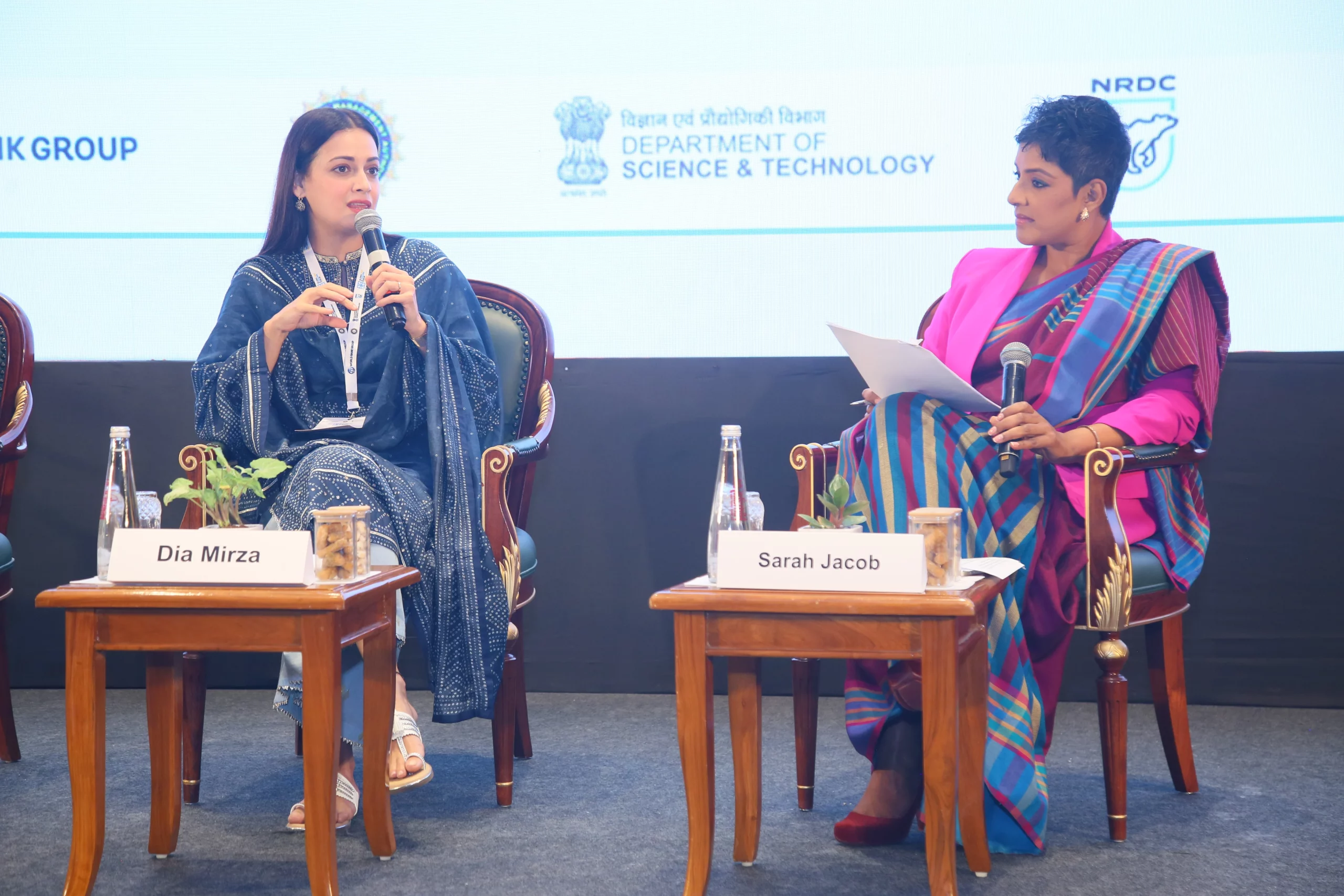
Session 5: Rising Heat, Rising Hope – Building Climate Resilience for All
Community-led, locally tailored solutions can broaden community support for heat-cooling initiatives. Panelists highlighted locally driven solutions—from school gardens to participatory greening—and emphasized youth engagement, financial access, and community trust in advancing heat resilience.
DAY 2 | 18 March 2025
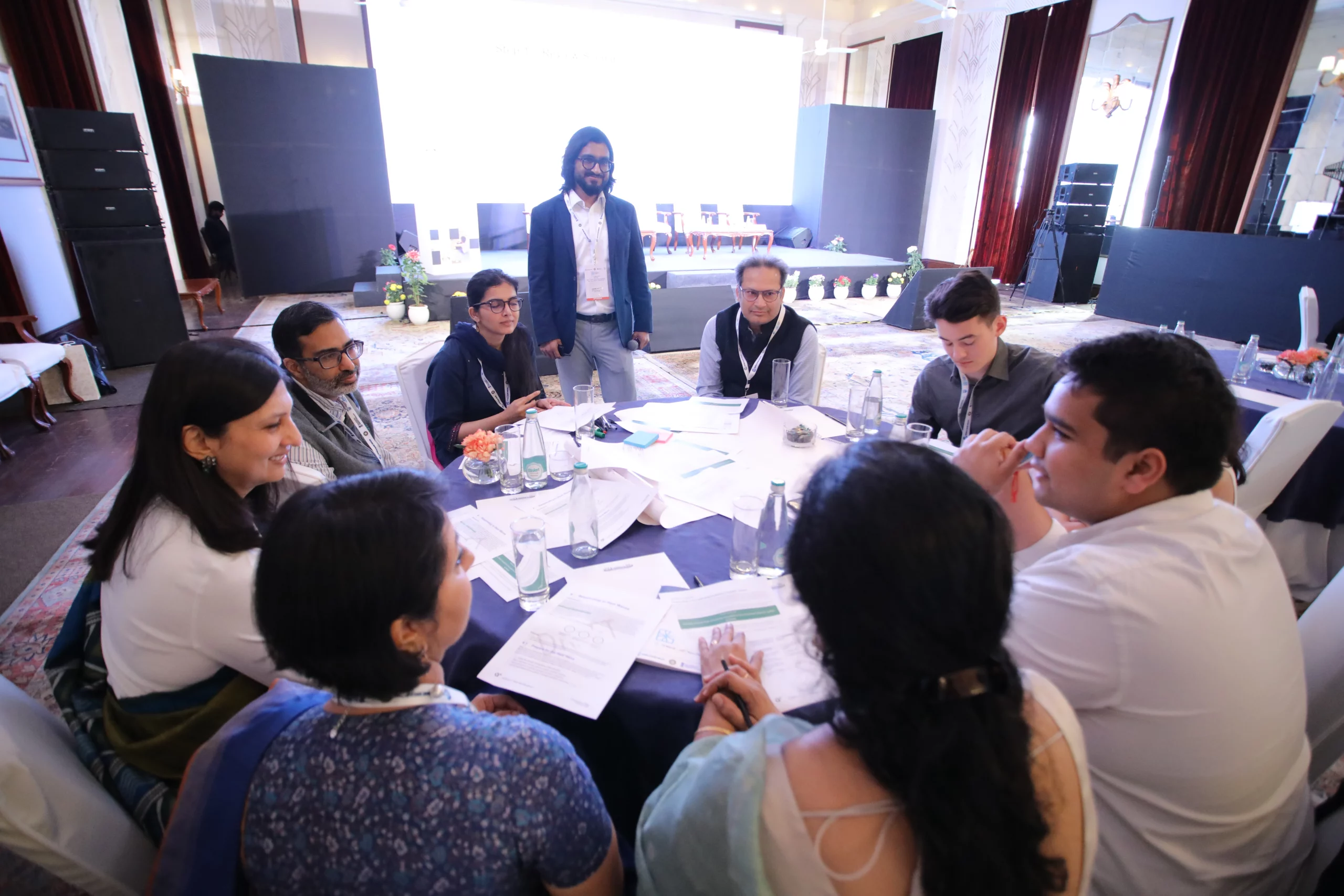
Session 1: Discussion on the World Bank’s Urban Heat Handbook.
The draft Urban Heat Handbook by The World Bank was discussed in an interactive workshop with Forum attendees. Participants emphasized that urban heat guidance must be practical, adaptable to local contexts, and designed for real-world implementation.
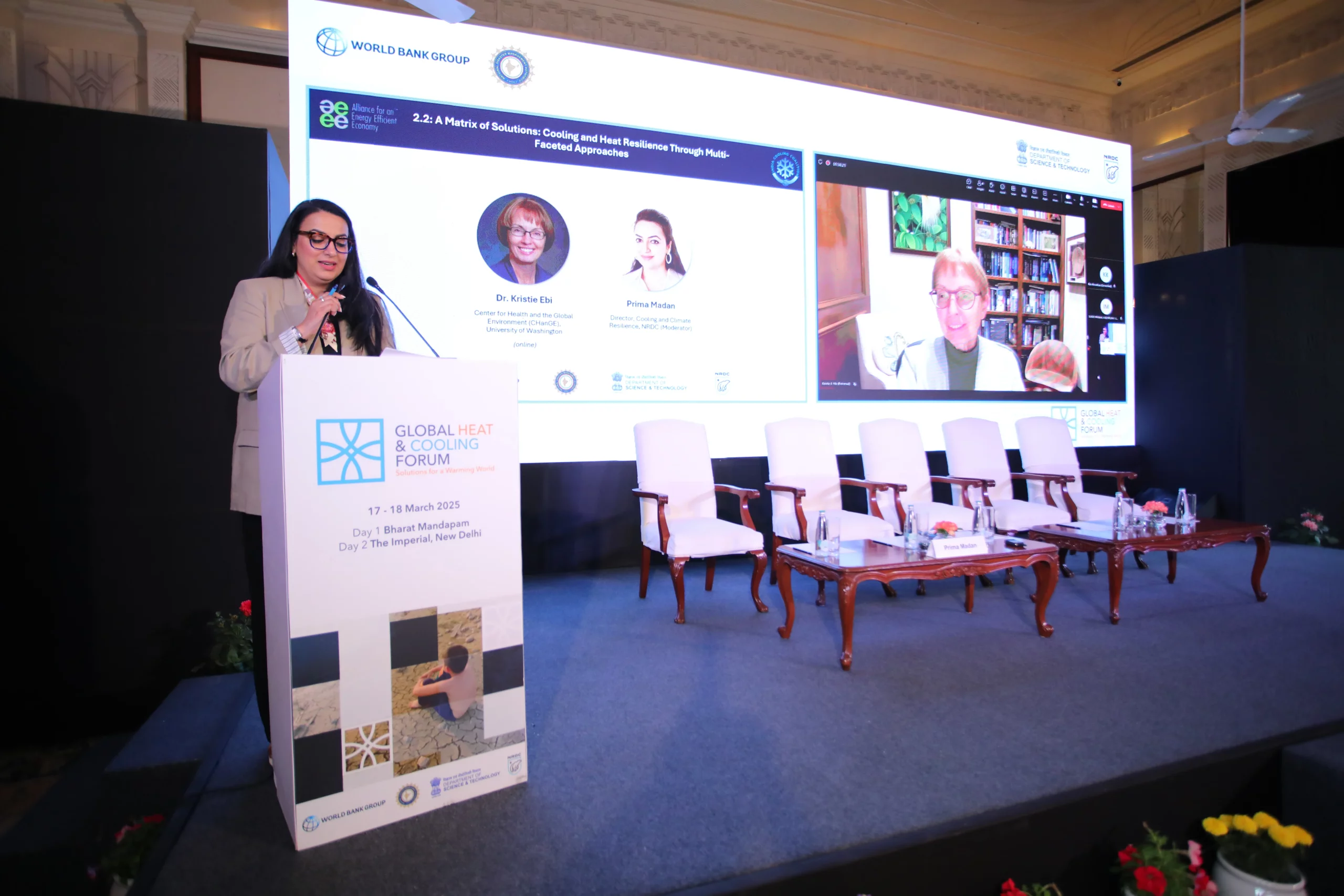
Session 2: A Matrix of Solutions: Cooling & Heat Resilience Through Multifaceted Approaches.
This session’s keynote address emphasized that heat response systems must move beyond just early warnings and deliver practical actions, tailored to specific sectors. The conversation emphasised the need for consistency in the warning and response systems and coordination across departments and all levels of government to achieve this.

Session 2 (Theme 1): Urban Design, Built Environment, and Technology.
With urban areas experiencing extreme heat, nature-based solutions are essential. Speakers highlighted the need to integrate passive cooling strategies, complement cooling technologies with demand-side reforms, policy enforcement, and behaviour shifts.
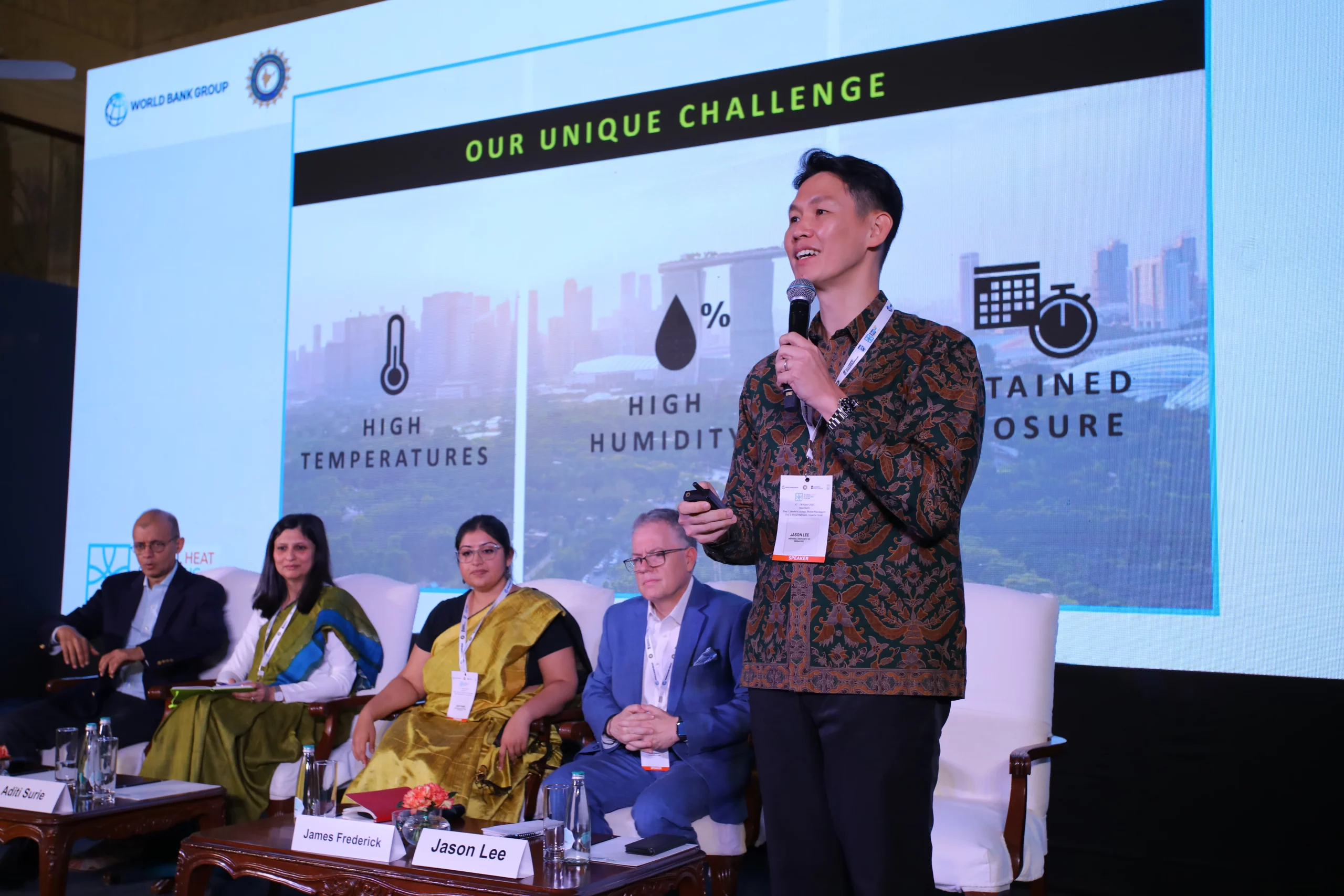
Session 2 (Theme 2): Resilient Workforce.
The informal workforce faces extreme heat exposure but lacks legal protections and adaptation support. The discussion focused on protecting informal workers through measures such as rest, hydration, and education to reduce heat risks and sustain productivity.
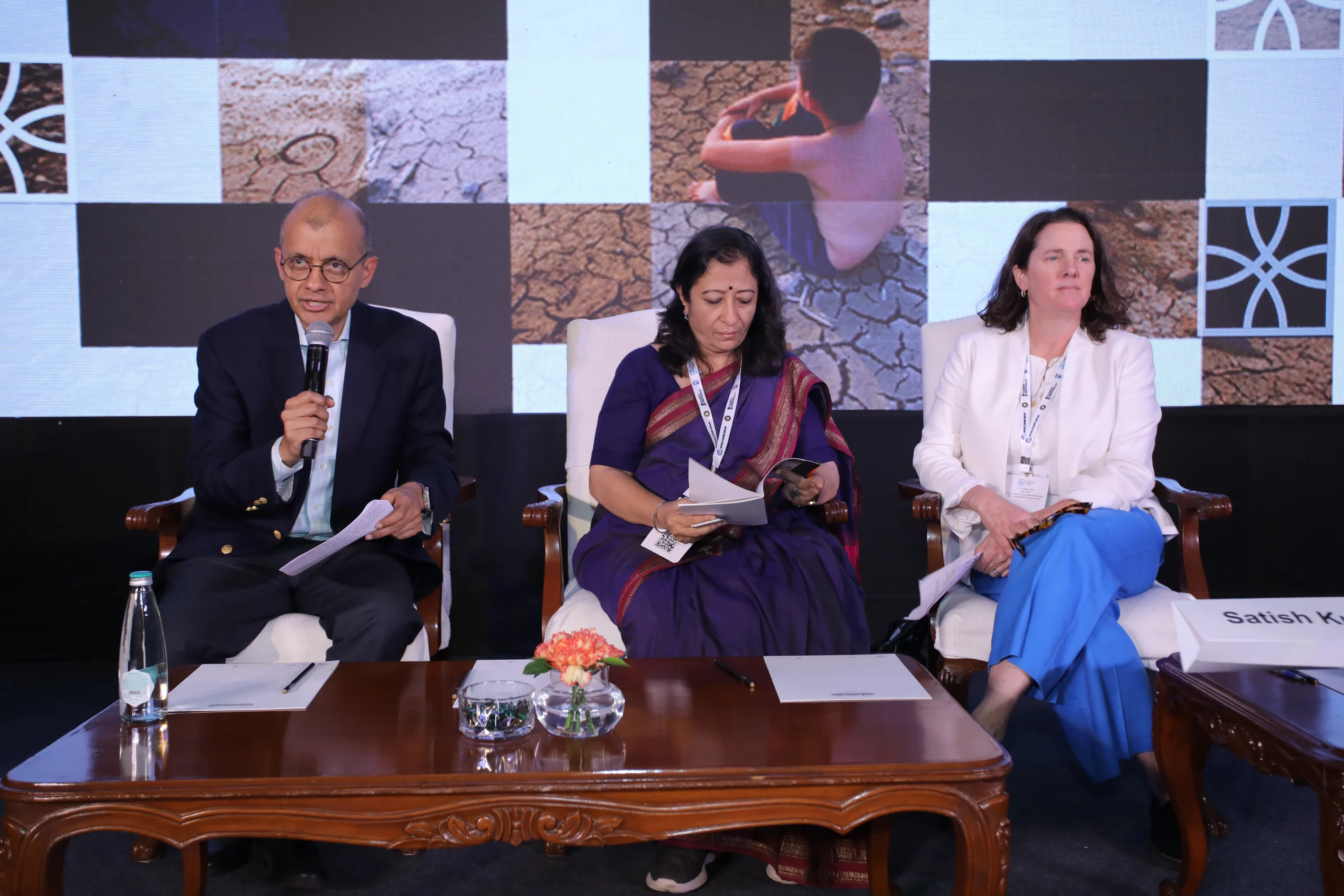
Session 2 (Theme 3): Community Engagement & Information Dissemination.
As women bear disproportionate burdens from heat, the session highlighted the relevance of women-led models of heat resilience and community-driven approaches that combine affordable solutions with grassroots advocacy to drive heat action.
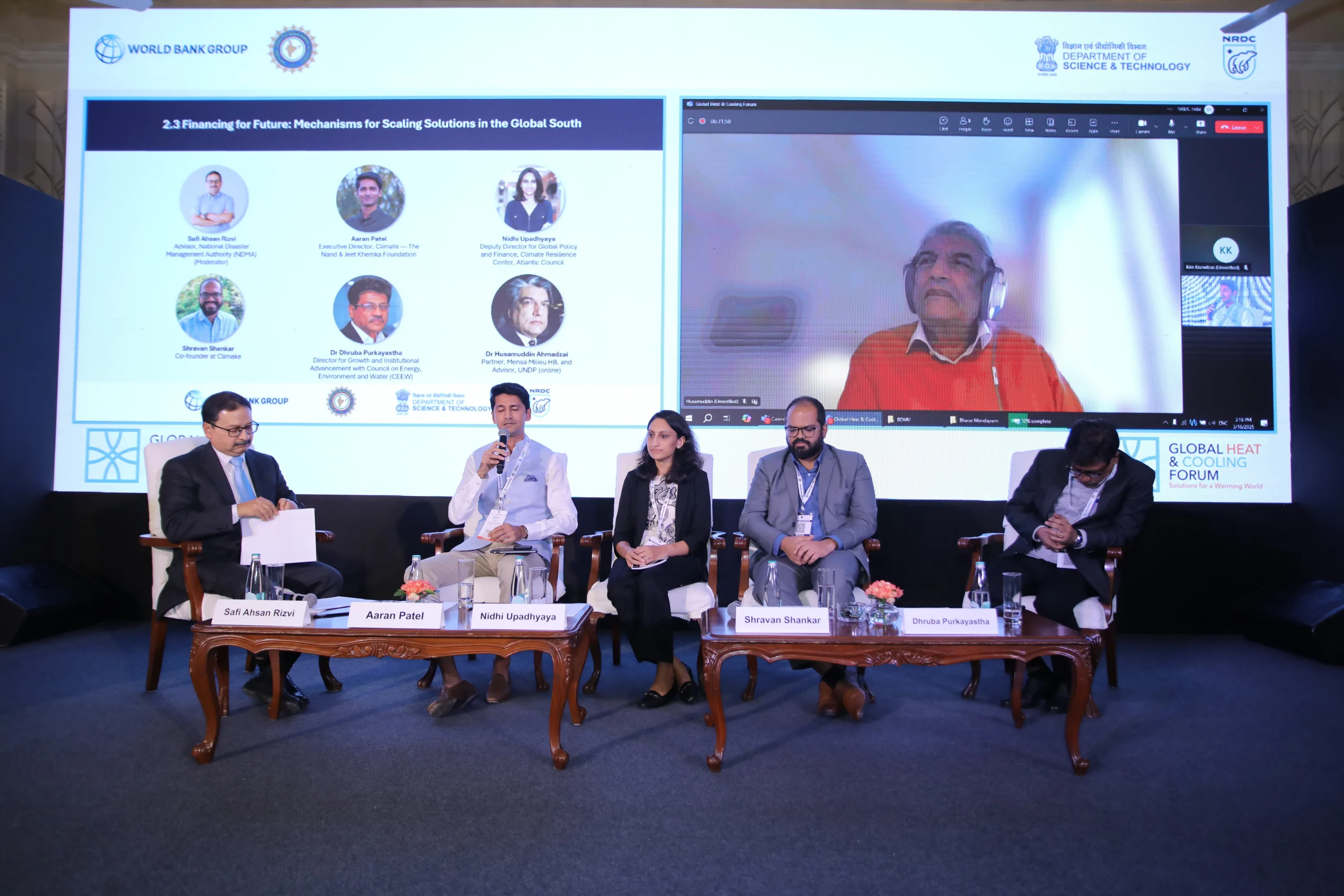
Session 3: Financing the Future – Mechanisms for Scaling Heat Resilience & Cooling Solutions in the Global South.
This session identified and discussed innovative funding mechanisms that can support the implementation of sustainable heat adaptation and cooling solutions in the Global South. Panelists discussed innovative financing for heat adaptation and emphasized the need to close the funding gap between mitigation and resilience efforts.
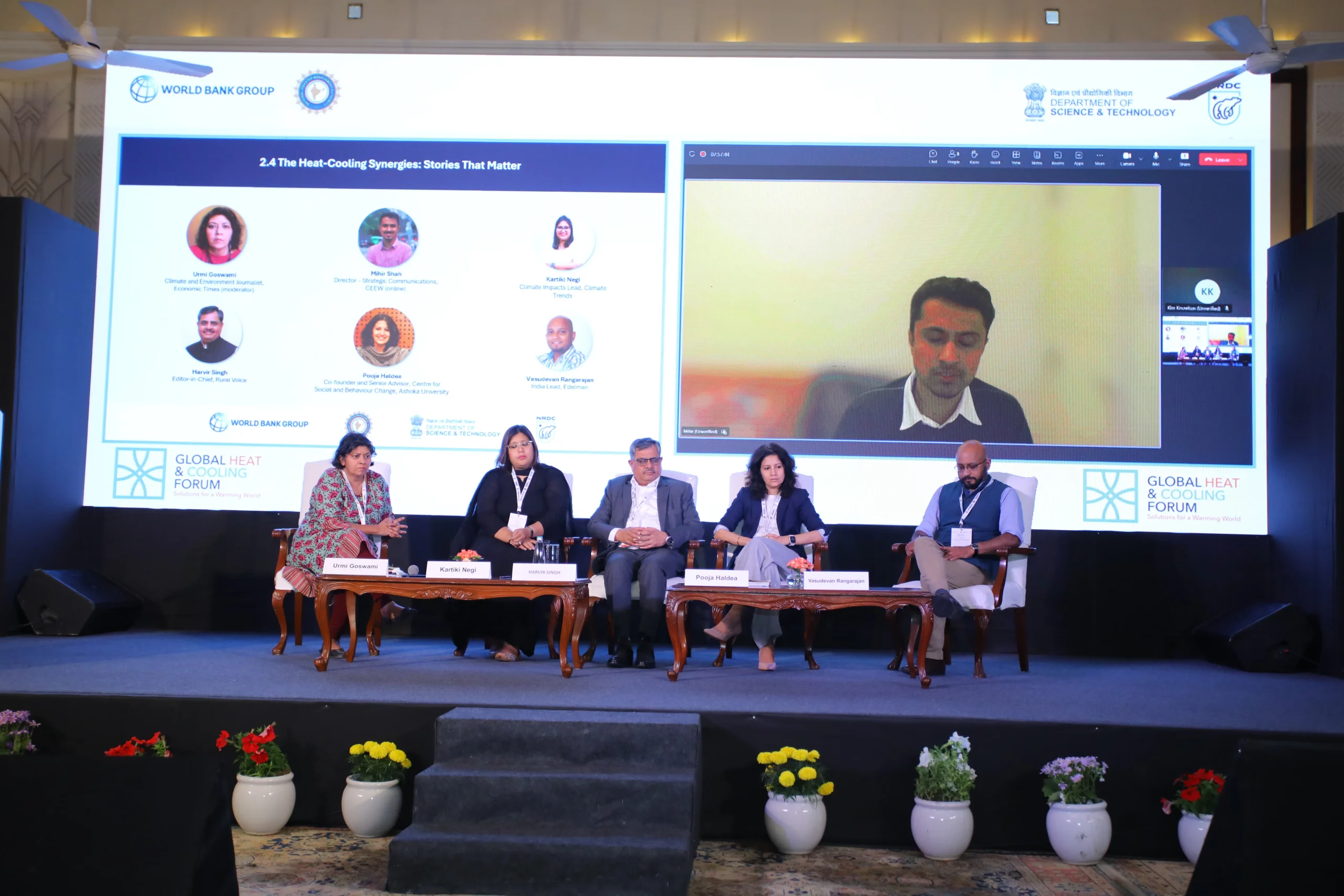
Session 4: Heat-Cooling Synergies: Stories That Matter.
This session focused on integrating multiple perspectives, including rural and marginalized communities, to ensure inclusive and effective climate storytelling. Speakers stressed the importance of strategic, behavior-informed communication and solution-focused climate storytelling to translate climate awareness into meaningful policy and societal change.
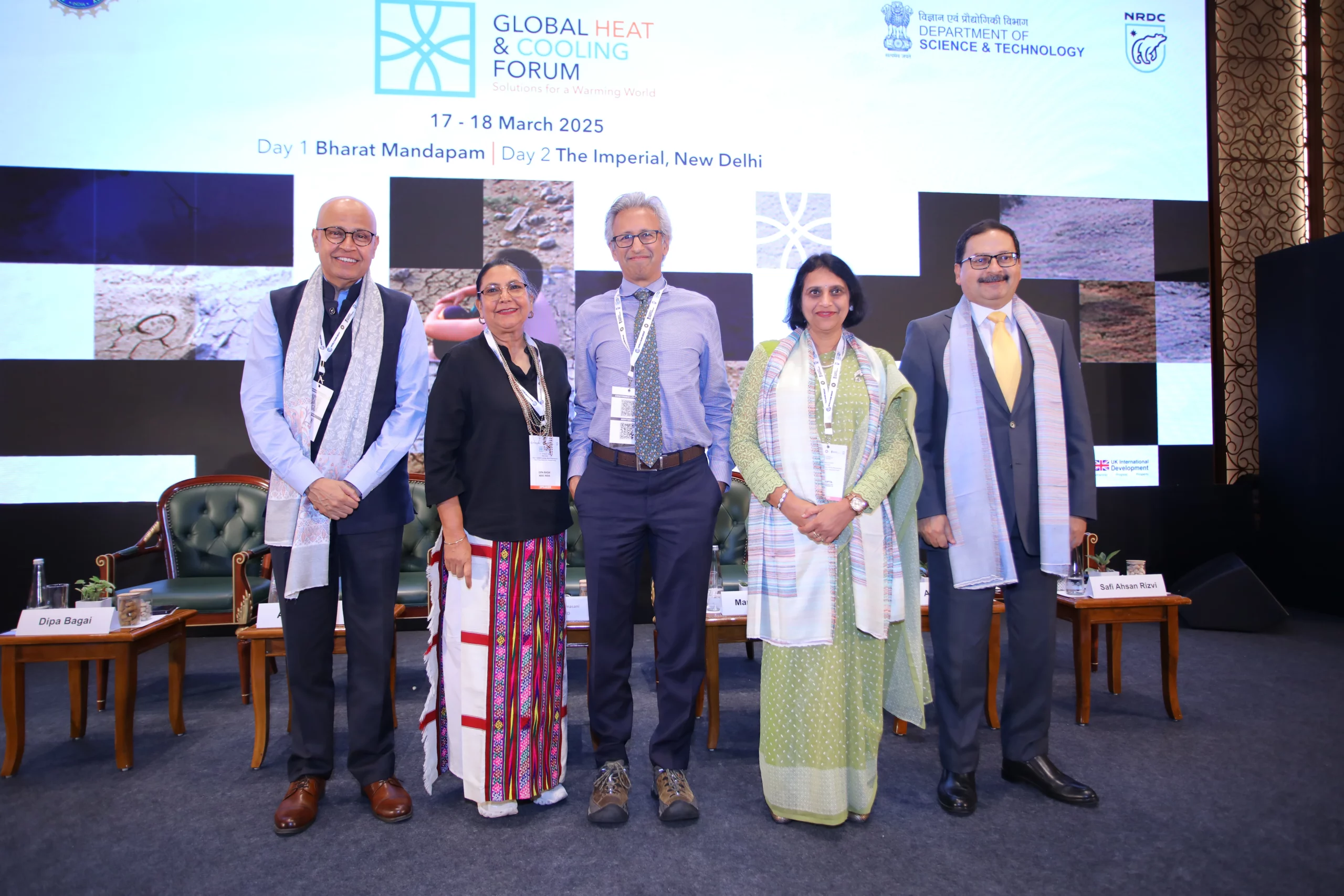
Session 5: Toward the Global Heat & Cooling Forum 2026.
The closing session underscored that Effective, sustainable cooling should build upon inclusive governance, cross-sector collaboration, and continuous learning from each other’s efforts. Speakers spoke to the importance of inclusive governance, local solutions, and cross-sector collaboration in advancing global heat and cooling action.