

 20 – 21 April 2026, New Delhi
DAY 1 | 20 April 2026
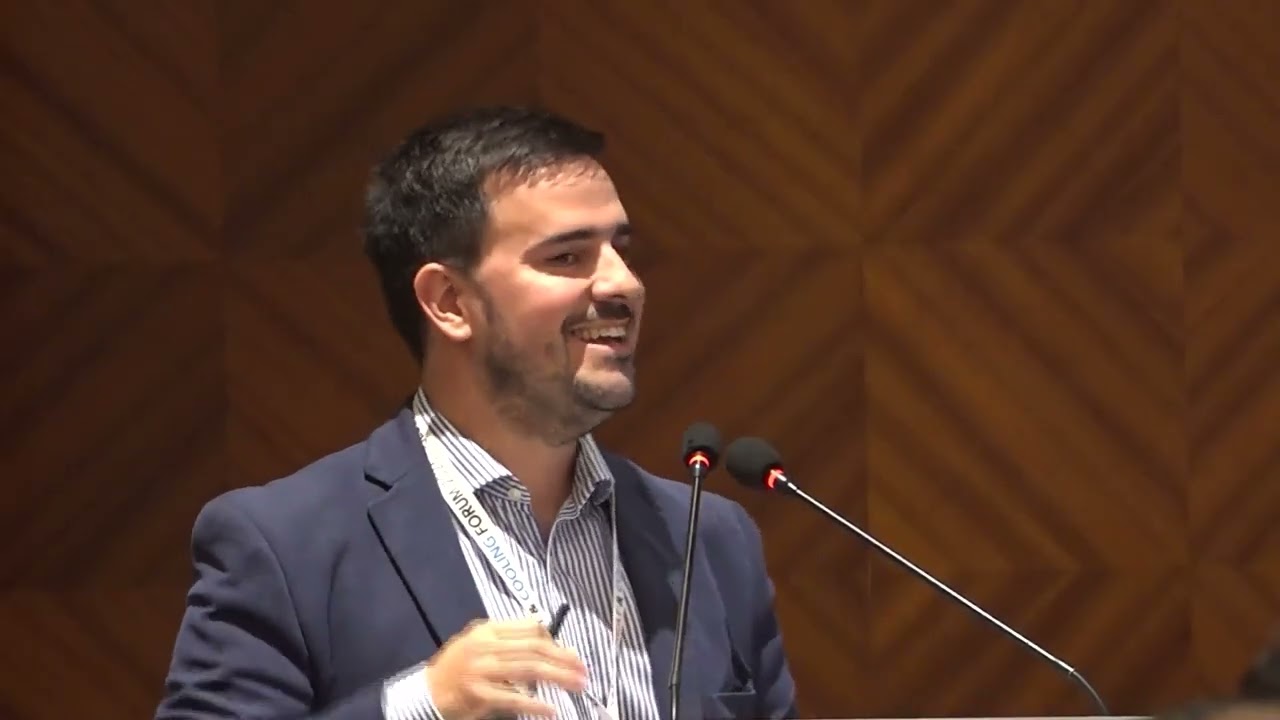
Session 1: Governance Pathways for Strengthening Heat Resilience in the Global South
This session explored ways to strengthen a shared understanding of what effective heat governance entails, including the institutional arrangements, coordination mechanisms, and policy instruments needed to transition from response-oriented measures to long-term resilience.
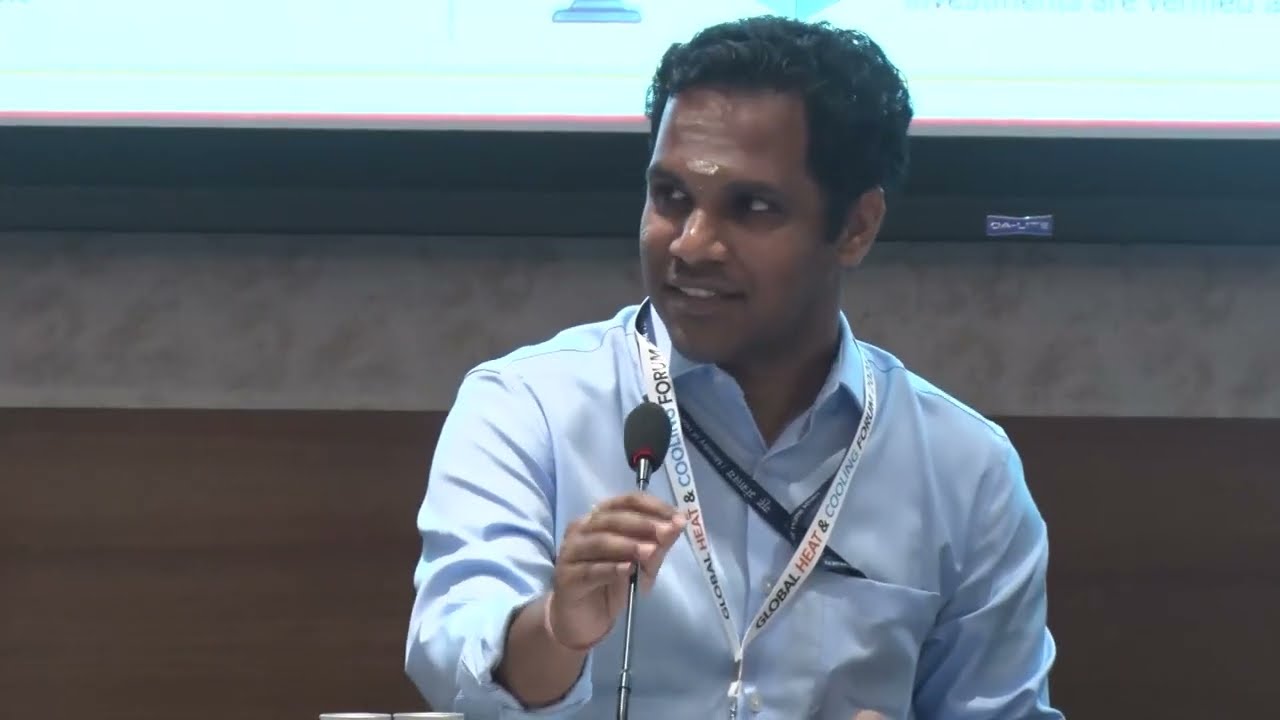
Session 2: Built Environment Regulations as a Strategy for Heat Resilience
India’s urban trajectory is driving up heat stress and cooling demand, pushing buildings-related energy use toward a tipping point. This session explores building regulations that go beyond energy codes to mainstream passive cooling and blue-green infrastructure.
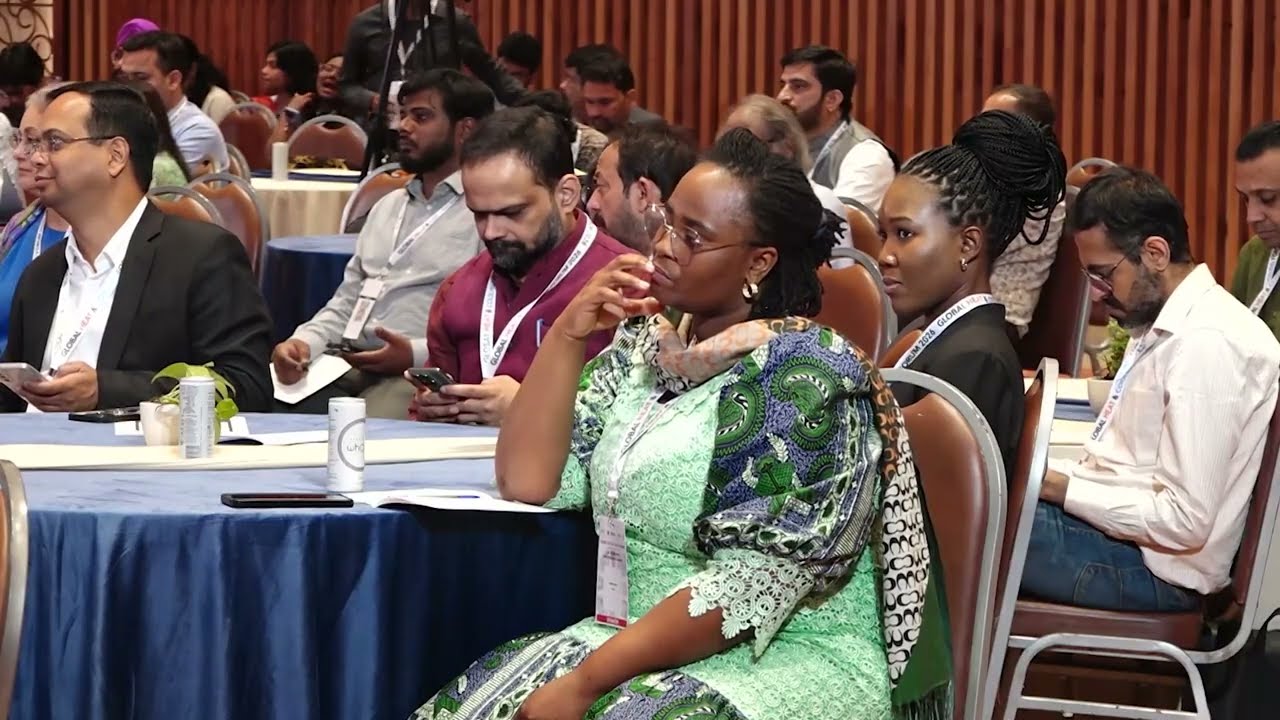
Plenary Session: Spotlight on Subnational Action on Heat and Cooling
This session brought together state government officials and a representative from the National Institute of Urban Affairs to discuss subnational action on heat and cooling. Panelists shared state-level efforts and how governments are moving toward greater collaboration across government, NGOs, and academia.
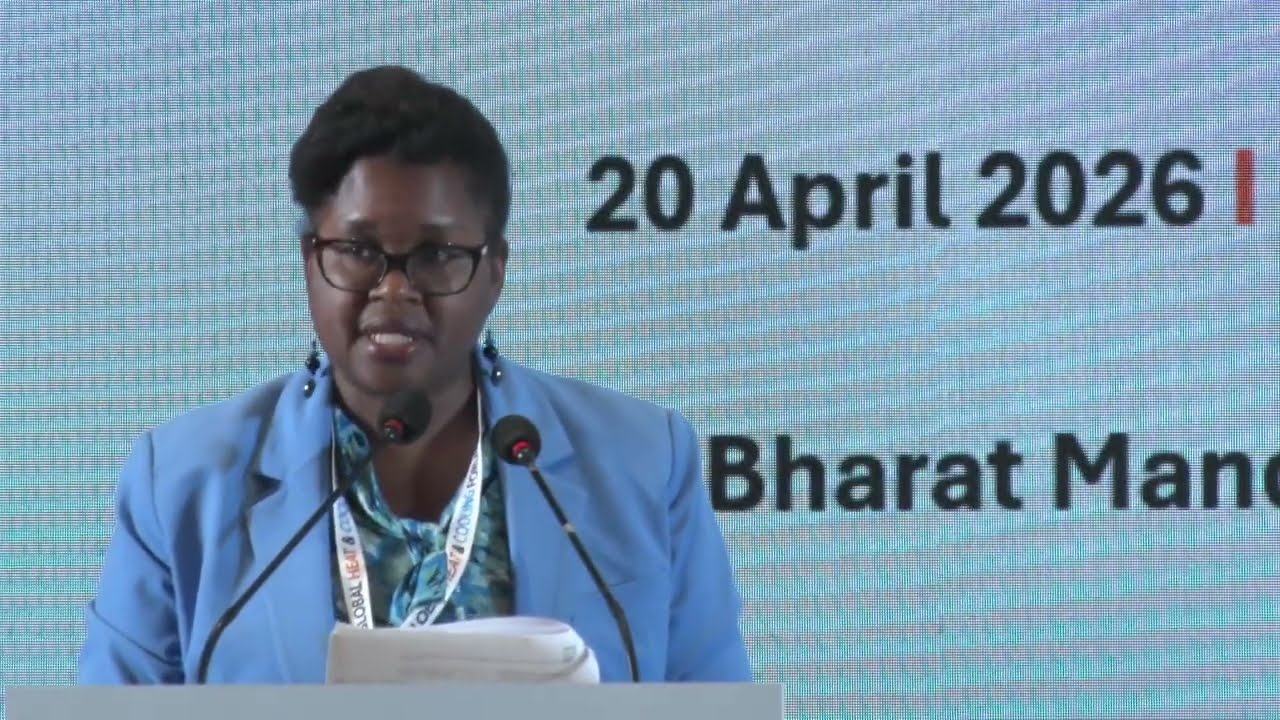
Session 3: South-South Cooperation to Advance Heat Resilience and Sustainable Cooling in India and Africa
South–South cooperation offers a critical pathway for practitioners to learn from peers navigating similar institutional and resource constraints. This session brought together experts from Africa and India to exchange insights on institutional approaches, data-driven decision-making, and financing for sustainable cooling.
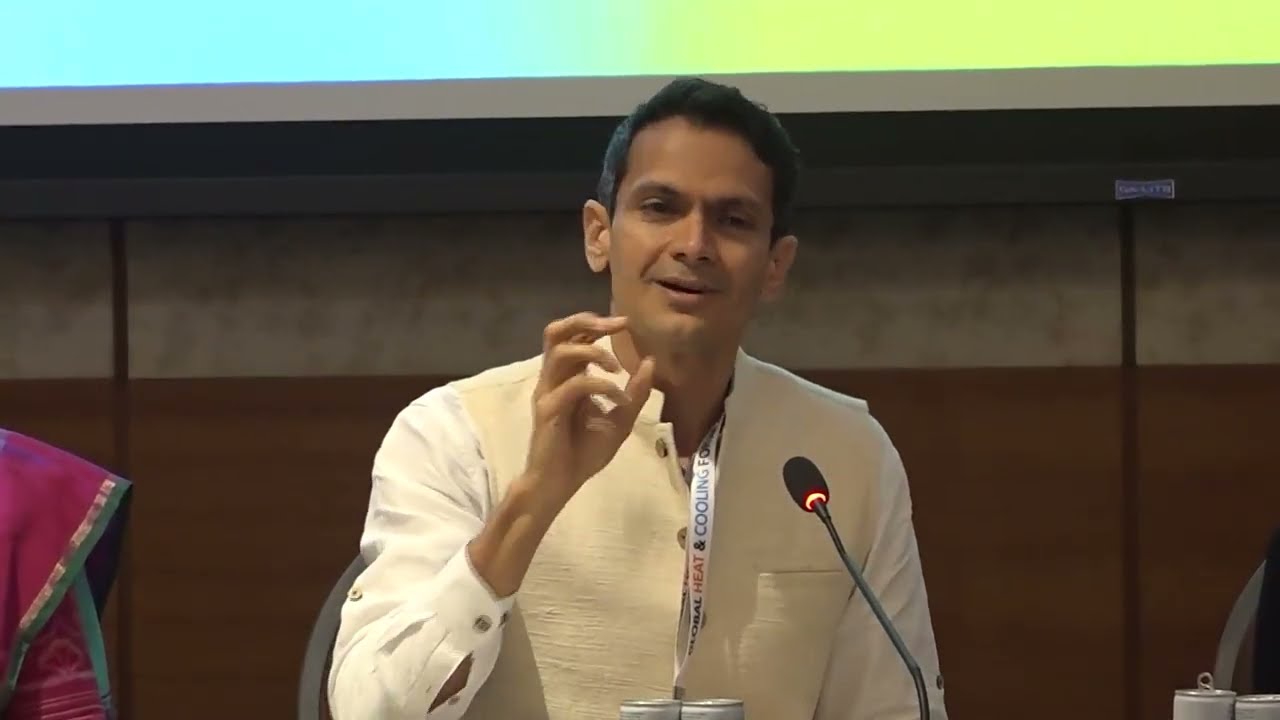
Session 4: Invisible Exposure: Rethinking Heat Metrics and Protection Pathways for Informal and Gig Workers
Heat stress threatens the largely informal and increasingly gig-based workforce in India. This session examined why heat governance misses key exposure factors, and how protection can be embedded across health, labour, housing, and disaster risk frameworks in informal-economy contexts.
DAY 2 | 21 April 2026
Plenary Session: Cooling for the Future: Advancing Domestic Manufacturing and Job Creation in India
Moderator
Neha Dhingra, Director, CLASP-India
Speakers
- Pradyumna Poddar, Past President, Indian Fan Manufacturers Association (IFMA)
- Ashish Rakheja, Managing Partner, AEON Integrated Building Design Consultants LLP
- Pradyot Kole, Scientist D, Deputy Secretary, Department of Science and Technology, Government of India
- Shravan Shankar, Co-founder, Climake
- Aditya Narayan Singh, Director, Ozone Cell, Ministry of Environment, Forests and Climate Change, Government of India *
- Kamran Shaikh, Director, Bureau of Energy Efficiency, Government of India *
- Gaurav Mehtani, Associate Vice President, Daikin Airconditioning India Pvt. Ltd. *
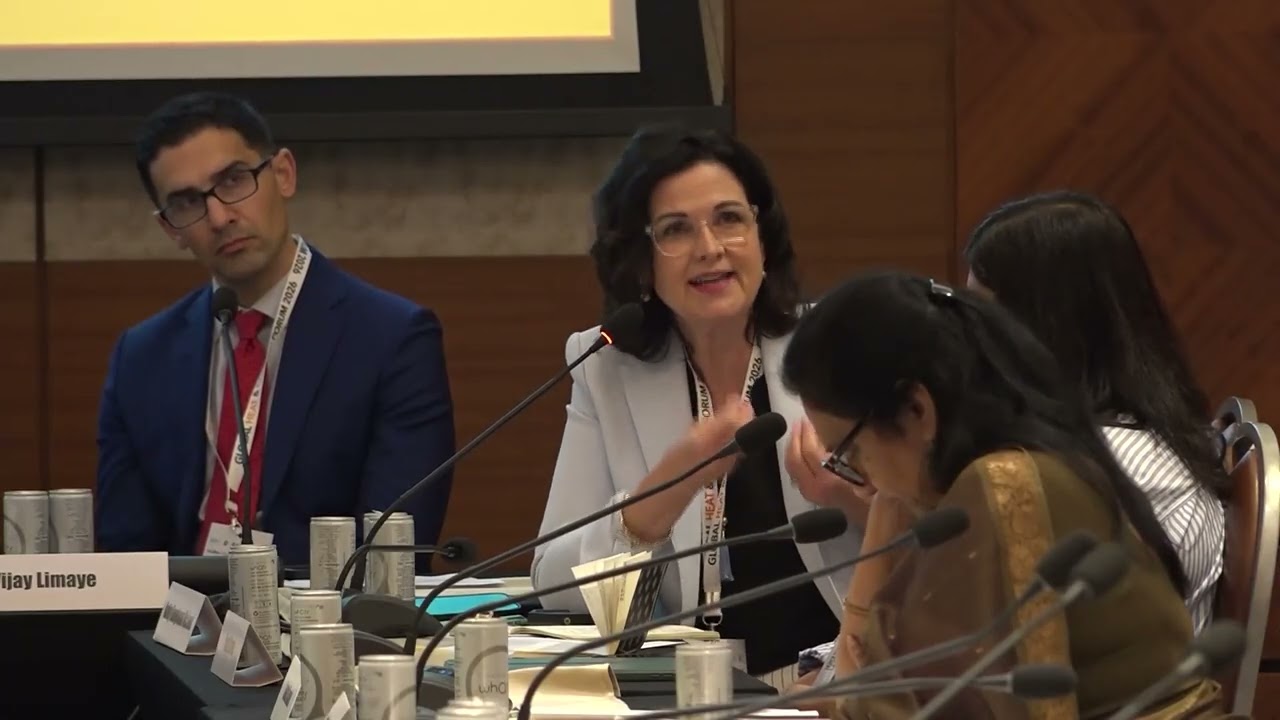
Session 6: Putting People First: Advancing Heat Resilience and Cooling Equity for Women & Children
Driven by inadequate infrastructure, informal livelihoods, and gaps in disaggregated data, this session examined the compounded vulnerabilities of women and children, and how policy, urban design, and cooling strategies can centre those at the margins of climate adaptation.
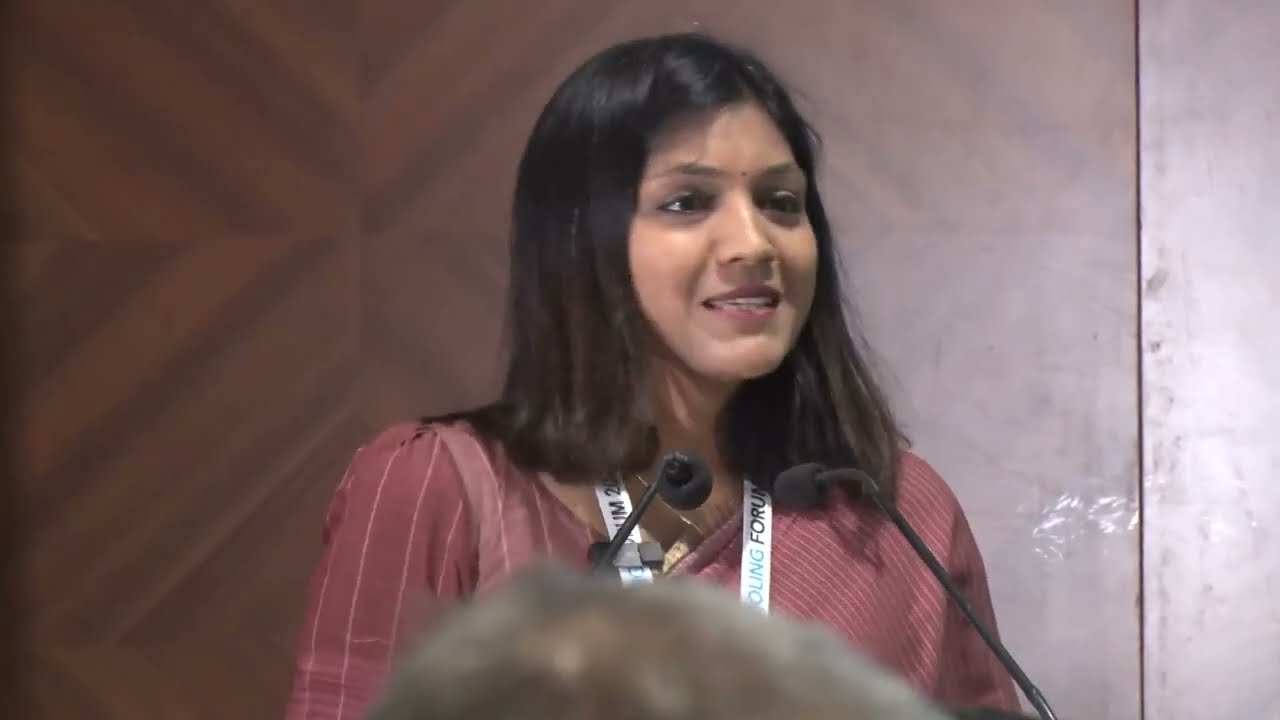
Session 7: Power Sector Resilience to Extreme Heat - Learning from Practice
Extreme heat is reshaping India’s power sector, driving up peak cooling demand while reducing generation efficiency and stressing transmission and distribution infrastructure. This session brought together utilities, practitioners, and researchers to identify priority actions for strengthening power sector resilience.
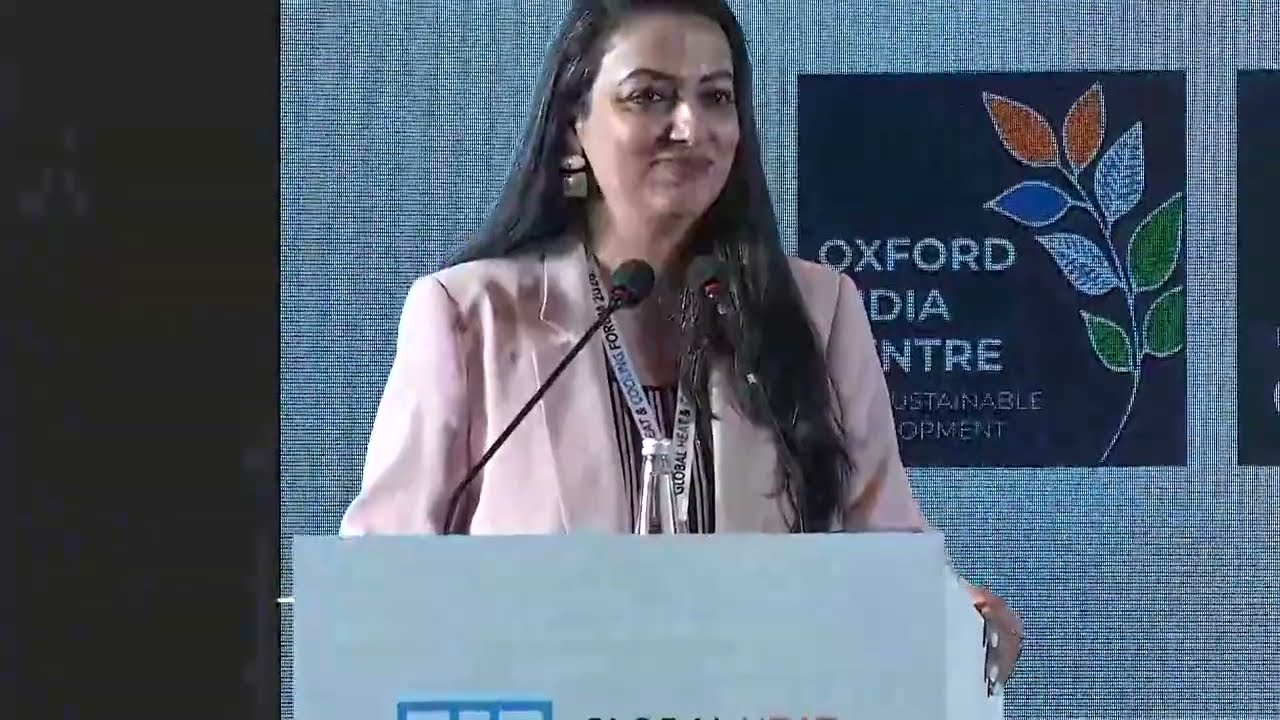
Plenary Session: Financing Adaptation and the Cooling Transition
This Plenary brought together leaders from banking, insurance, philanthropy, and industry to discuss financing for heat resilience and climate-friendly cooling. The session acknowledged that adaptation and cooling finance is not a niche climate issue but a mainstream economic imperative that must be embedded across financial decision-making.